How Medical Gas Supply Impacts Patient Care and Safety
Oxygen keeps patients breathing on ventilators. Nitrous oxide makes surgery tolerable. Medical air powers the pneumatic tools used in operating rooms. These gases move through miles of pipeline inside a hospital every day, and the quality and consistency of that supply shapes clinical outcomes in ways that are easy to overlook until something goes wrong. Understanding the connection between gas supply and patient safety helps facilities make better decisions about how they source, monitor, and maintain these systems.
The Gases Doing the Work
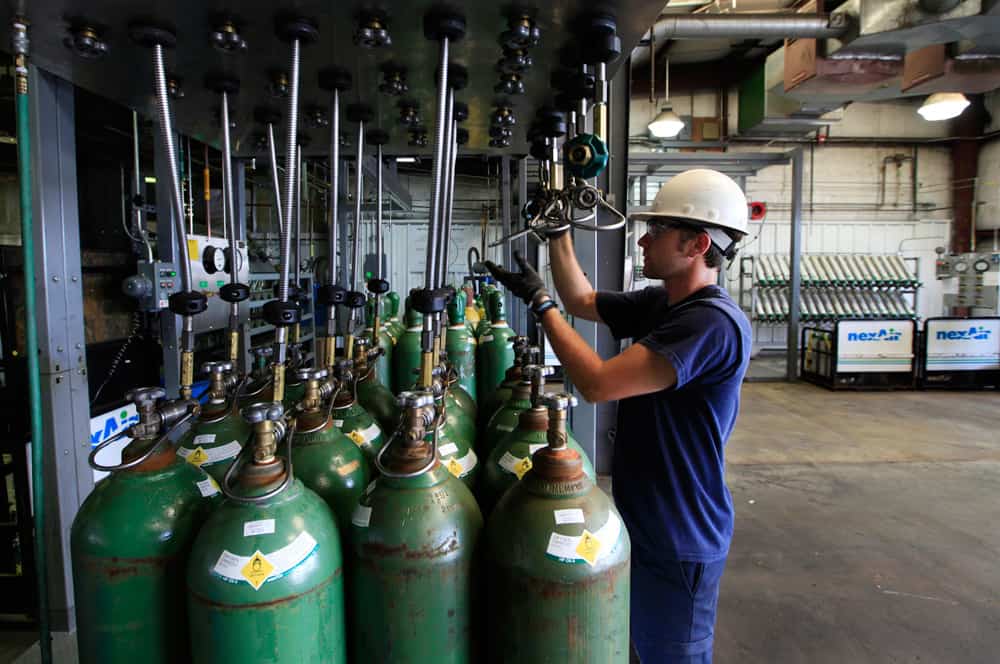
Several medical gases are in use across a typical hospital at any given moment. Oxygen is the most fundamental, delivered to patients in respiratory distress, surgical recovery, and critical care through both piped systems and portable cylinders. Medical air, produced by specialized compressors and dried to precise dew point levels, powers ventilators and pneumatic surgical equipment. Nitrous oxide is administered in surgical suites and dental settings for its anesthetic and analgesic properties. Carbon dioxide is used in laparoscopic procedures to expand body cavities and improve surgical visibility. Each gas has a specific clinical purpose, and each requires precise delivery at consistent pressure and purity to function as intended.
What Purity Levels Mean for Patients
Gas purity standards exist because contaminants in a medical gas line reach the patient directly. The Anesthesia Patient Safety Foundation has documented cases where cylinders were filled with the wrong gas entirely, an error that oxygen analyzers would have caught but that standard monitors did not flag until a patient was already affected. More commonly, trace contaminants enter the supply through improper storage, pipeline cross-contamination during construction, or inadequate quality control at the filling stage.
FDA regulations govern the purity and labeling of all medical gases, and suppliers are responsible for providing documentation that verifies what is in each cylinder or bulk delivery. Facilities that treat this documentation as a formality rather than a clinical safeguard create gaps in their quality assurance that auditors and accreditation bodies will eventually find.
How Delivery Infrastructure Affects Clinical Outcomes
A hospital’s piped medical gas system operates continuously, supplying oxygen to ICUs, recovery rooms, general wards, and operating theaters simultaneously. According to published research in clinical anesthesia literature, pipeline failures have been documented multiple times and carry serious consequences when backup systems are inadequate or staff are unprepared to switch to them. The standard set by BS EN 737-3 calls for three independent supply sources for continuous oxygen delivery: primary, secondary, and a reserve capable of meeting demand if both primary sources fail.
ICU patients on ventilators and neonates in incubators are particularly dependent on stable, uninterrupted gas flow. Pressure fluctuations in the pipeline affect the performance of every device connected to it. Monitoring systems that track gas pressure at the source and at the point of care give clinical staff real-time visibility into the system’s status, which is why NFPA 99 treats alarm system requirements as a foundational element of any compliant medical gas installation.
The Supplier’s Role in Patient Safety
Gas suppliers are part of the clinical supply chain, and the decisions they make about quality control, delivery logistics, and emergency response capacity carry real consequences for patient outcomes. Facilities need suppliers who provide full documentation for every delivery, maintain the production standards required for FDA-regulated medical gases, and have the regional infrastructure to respond when a bulk supply issue arises outside of normal business hours.
Inventory management also matters more than it is often given credit for. Cylinder tracking, usage documentation, and accurate on-site counts are the difference between a facility that knows its gas status at any moment and one that is managing shortages reactively. The more complex the facility, the more this kind of systematic oversight determines whether clinical teams have what they need when they need it.
With nexAir’s KnowHow™, healthcare facilities get a medical gas partner with the expertise, documentation standards, and supply reliability that patient care demands. Reach out to nexAir today and Forge Forward with a supplier built for the standards your patients deserve.
Looking out for your future
Get your career going on the right track with nexAir
Find out how nexAir KnowHow has impacted businesses all over the Southeast
Our expertise makes us more than a valuable partner, it makes us headlines

Don't see what you're looking for?
Everything we offer is a click away and it will arrive before you know it.