How Technical Expertise Improves Industrial Gas Supply Programs
Sourcing industrial gas is straightforward on the surface. A facility identifies what it needs, places an order, and receives a delivery. Where things get more complicated is everything around that transaction: how the system is designed, how gases are stored and distributed, how consumption is managed, and how the supply program adapts as operations change. Those are the areas where technical expertise makes a real difference, and where the gap between a knowledgeable supplier and a commodity vendor becomes apparent.
Matching Supply Format to Actual Demand
One of the most common inefficiencies in industrial gas programs is a mismatch between how gas is supplied and how it is used. A facility running high-volume, continuous processes has very different requirements than one running intermittent production cycles. Cylinders make sense for certain applications and create unnecessary cost and labor in others. Microbulk and bulk systems reduce per-unit cost and handling demands for facilities with consistent, higher-volume consumption, but only when the supply format is sized correctly for the demand profile.
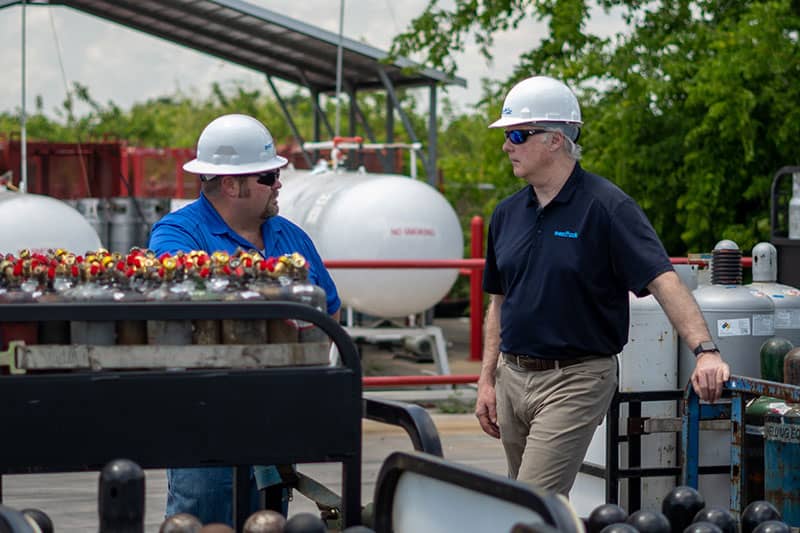
Getting this right requires someone who understands both the gas applications and the operational patterns of the facility. A technically experienced supplier can evaluate usage data, identify where the current supply format is working against the operation, and recommend a configuration that reduces cost and improves reliability at the same time.
System Design Affects Performance Downstream
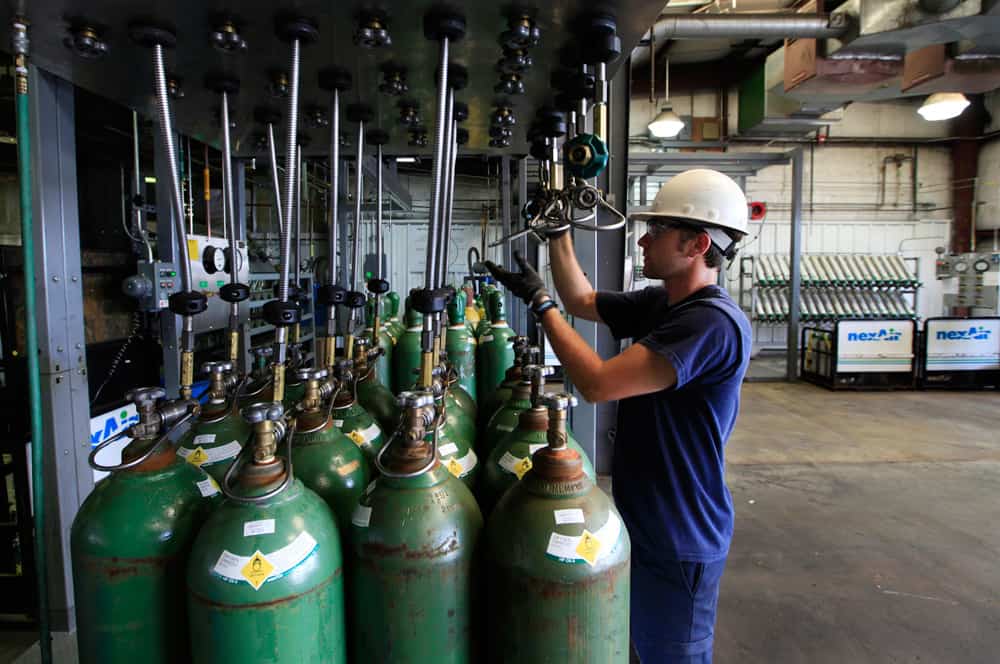
The way a gas distribution system is designed inside a facility has direct consequences for process quality. Pressure regulators, manifolds, piping runs, and connection points all affect whether gas arrives at the point of use at the right pressure and purity. A system that was designed for one set of applications and then expanded piecemeal over time often develops pressure inconsistencies and contamination risks that are difficult to trace back to their source.
A supplier with genuine application engineering capability can assess an existing system and identify where design decisions are creating downstream problems. In some cases, relatively minor changes to regulator placement or piping configuration resolve issues that have persisted for years. In new installations, thoughtful system design from the start prevents those problems from developing at all.
Application Knowledge Reduces Trial and Error
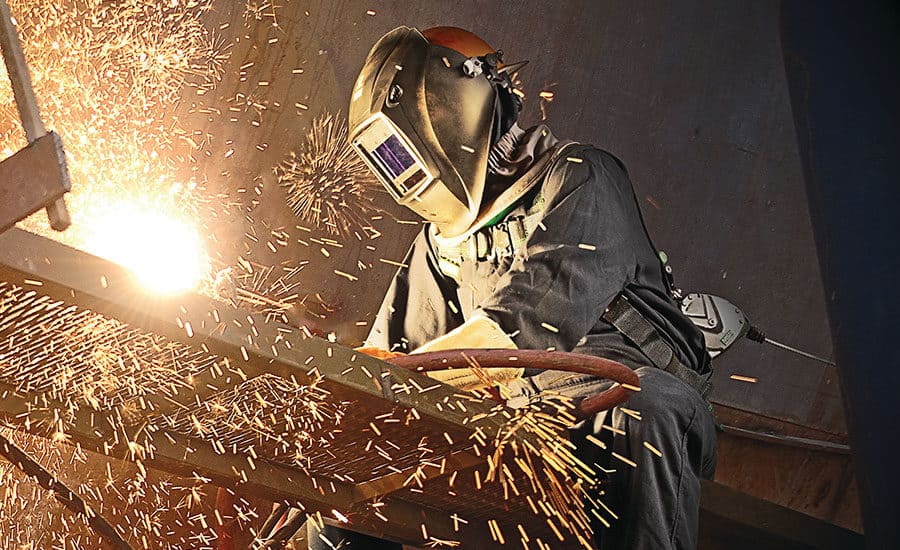
Different processes require different gas specifications, and the right choice is not always obvious from a product sheet. Welding applications, for example, involve tradeoffs between shielding gas compositions that affect arc stability, spatter, and bead profile in ways that vary by material, thickness, and process speed. Heat treating processes have their own atmosphere requirements that depend on the alloy being treated and the desired outcome. Getting these choices right the first time requires familiarity with how gases behave in specific applications.
When a supplier’s technical staff has direct experience with the industries they serve, they can help facilities avoid the trial-and-error cycle of adjusting gas specifications after problems appear in finished product. That kind of input has measurable value in both time and material costs.
Ongoing Support as Operations Evolve
A gas supply program that works well for a facility today may need adjustment as that facility adds capacity, changes its product mix, or adopts new processes. A technically capable supplier stays engaged with those changes rather than treating each delivery as a standalone transaction. Periodic reviews of consumption patterns, system performance, and application requirements give facilities a chance to catch misalignments before they affect production.
This ongoing relationship is also where compliance support becomes relevant. Regulations governing compressed gas storage, handling, and documentation change over time, and facilities that rely solely on internal staff to track those changes often discover gaps during audits. A supplier with current regulatory knowledge can flag relevant changes and help facilities stay ahead of compliance requirements rather than reacting to them.
nexAir’s KnowHow™ represents decades of hands-on application experience across industries, bringing that depth of knowledge directly to how gas supply programs are designed, evaluated, and managed. Connect with nexAir today and Forge Forward with a supplier whose expertise extends well beyond the cylinder.
Looking out for your future
Get your career going on the right track with nexAir
Find out how nexAir KnowHow has impacted businesses all over the Southeast
Our expertise makes us more than a valuable partner, it makes us headlines

Don't see what you're looking for?
Everything we offer is a click away and it will arrive before you know it.