Supporting Outpatient and Ambulatory Care Environments with Reliable Medical Gas Systems
Healthcare delivery continues evolving as more services move beyond traditional hospital settings and into outpatient clinics, ambulatory surgery centers, and specialized care facilities. These environments provide flexibility and convenience for patients while helping healthcare organizations improve operational efficiency and expand access to care.
As outpatient and ambulatory care facilities continue growing, reliable medical gas infrastructure becomes increasingly important for supporting patient safety, clinical performance, and operational continuity.
Medical gas systems within these environments must deliver the same level of consistency and reliability expected within larger hospital systems while operating within unique facility constraints.
The Growth of Outpatient Healthcare Facilities
Outpatient and ambulatory care environments continue expanding across healthcare systems because they allow providers to deliver specialized services outside traditional inpatient settings.
These facilities support a wide range of procedures and treatments, including surgical care, imaging, respiratory therapy, diagnostics, and emergency response services.
As patient demand increases, facilities must ensure that infrastructure systems can support both operational efficiency and high-quality care delivery.
The Role of Medical Gas Systems in Ambulatory Care
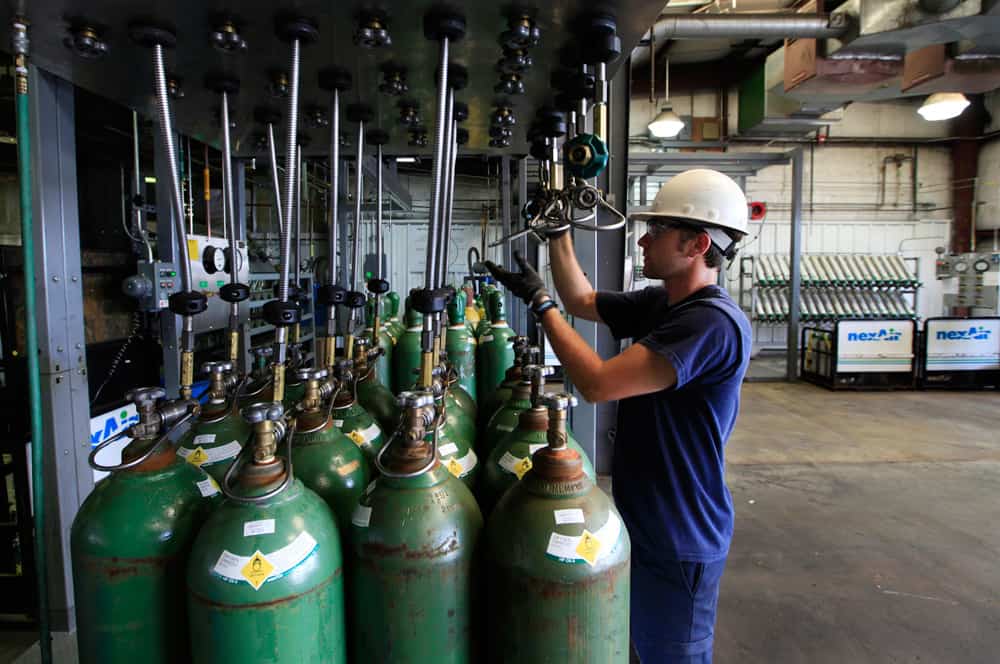
Medical gas systems support many of the critical functions within outpatient environments. Oxygen, medical air, vacuum systems, and related infrastructure help support patient treatment, procedural care, and clinical operations.
Even though outpatient facilities may operate on a smaller scale than hospitals, the need for reliability remains equally important. Interruptions or inconsistencies within medical gas systems can directly affect patient care and operational performance.
Reliable infrastructure helps facilities maintain continuity while supporting safe and efficient healthcare delivery.
Unique Infrastructure Challenges
Outpatient and ambulatory care environments often operate within smaller physical footprints and more compact infrastructure layouts than traditional hospitals.
These facilities must balance space limitations, operational efficiency, scalability, and compliance requirements while maintaining dependable medical gas delivery.
As facilities expand services or patient capacity, medical gas systems must also adapt to support changing operational demands.
Supporting Compliance and Operational Reliability
Healthcare environments operate under strict regulatory and safety requirements designed to protect patients and maintain system reliability.
Medical gas systems must be properly designed, maintained, and monitored to support compliance and ensure consistent performance throughout daily operations.
Preventative maintenance and infrastructure planning help reduce operational risk while supporting long-term reliability.
Planning for Scalability and Future Growth
Many outpatient facilities continue growing as healthcare systems expand services and respond to increasing patient demand.
Medical gas infrastructure should be designed with flexibility and scalability in mind so facilities can adapt without introducing operational instability or requiring major infrastructure redesigns.
Through nexAir KnowHow, healthcare organizations gain access to expertise that helps align medical gas systems with both current operational needs and future expansion goals.
The nexAir Approach to Healthcare Infrastructure Support
Through nexAir KnowHow, nexAir works closely with outpatient and ambulatory care providers to evaluate medical gas systems, identify infrastructure opportunities, and support reliable healthcare operations.
This includes helping facilities strengthen system reliability, improve operational continuity, and develop infrastructure strategies aligned with long-term healthcare growth.
This approach reflects the Forge Forward mindset, where preparation, expertise, and operational insight support stronger healthcare performance.
Building More Reliable Outpatient Care Environments
Outpatient healthcare facilities continue playing a larger role within modern healthcare systems. Reliable medical gas infrastructure is essential for supporting this growth while maintaining safe and efficient patient care environments.
By investing in strong infrastructure planning and operational reliability, healthcare organizations can create outpatient facilities that support both immediate patient needs and long-term healthcare system growth.


Don't see what you're looking for?
Everything we offer is a click away and it will arrive before you know it.