Automation Trends in Automotive Manufacturing
Automotive manufacturing continues to evolve as production environments become more connected, efficient, and technology-driven. Rising consumer demand, supply chain complexity, electric vehicle development, and increasing quality expectations are all reshaping how automotive facilities approach production.
Automation has become one of the most important tools supporting this transformation. From robotic welding systems to integrated material handling and real-time operational monitoring, modern automotive facilities rely on automation to improve consistency, increase throughput, and maintain competitiveness in a rapidly changing industry.
As automation technologies continue advancing, manufacturers must ensure that supporting systems, including industrial gas infrastructure, evolve alongside them.
The Shift Toward Smarter Automotive Production
Automotive manufacturing has always depended on precision and repeatability. However, modern production environments require even greater levels of efficiency and operational coordination.
Manufacturers are producing more complex vehicle designs while managing shorter production cycles and increasing customization demands. These challenges have accelerated the adoption of automation systems capable of maintaining consistent quality across high-volume production environments.
Automation helps manufacturers improve workflow consistency while reducing variability throughout assembly and fabrication processes.
Robotics and High-Speed Production
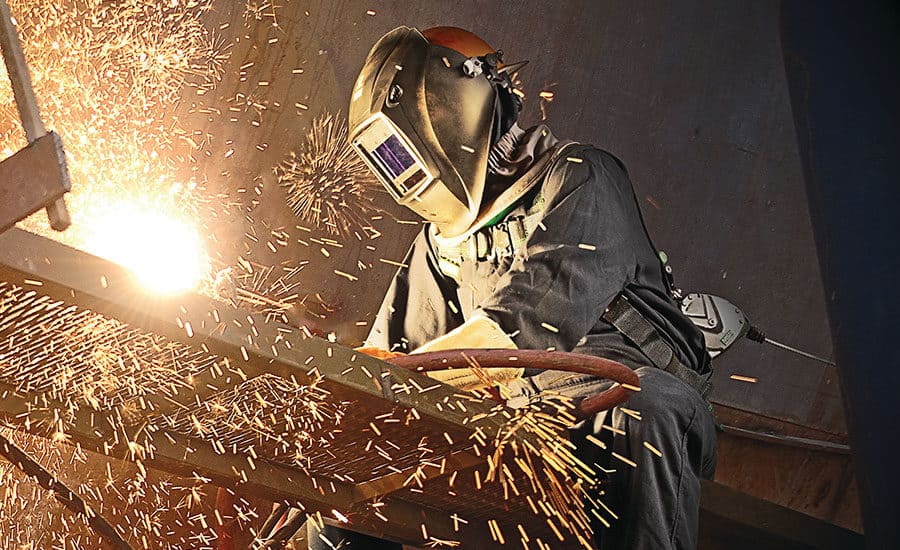
Robotic systems now perform many of the welding, cutting, assembly, and material handling tasks within automotive facilities. These systems allow manufacturers to maintain precise and repeatable production standards while supporting continuous operation.
Robotic welding systems, in particular, play a major role in automotive fabrication because they improve consistency and reduce the likelihood of defects or rework.
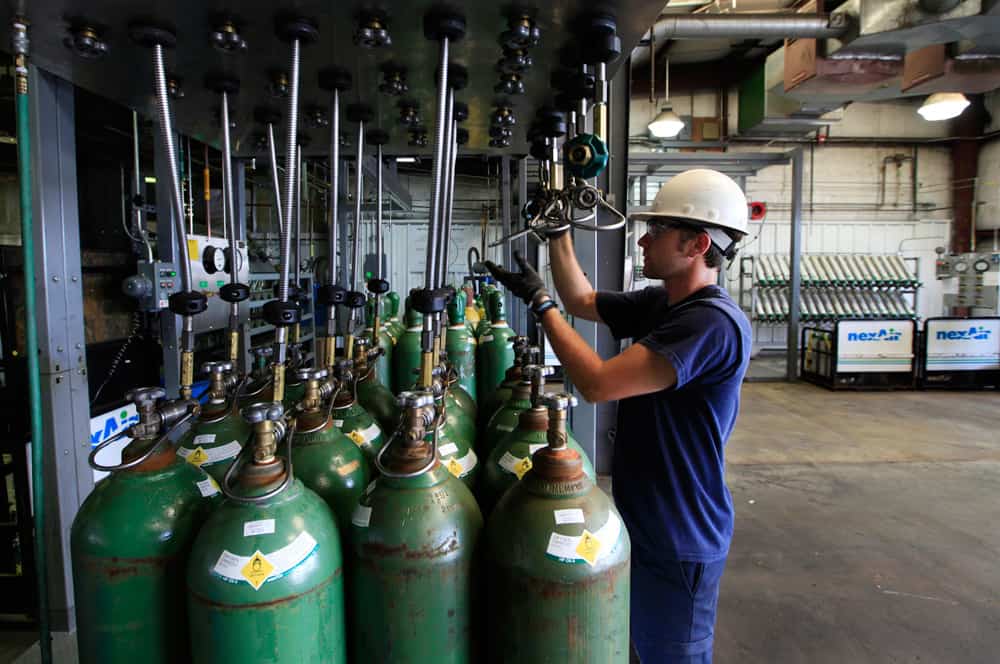
As production speeds increase, however, automation systems place greater demands on supporting infrastructure. Stable gas flow, reliable delivery systems, and operational consistency become essential for maintaining performance.
Data-Driven Manufacturing Environments
Modern automotive facilities increasingly rely on operational data to improve production efficiency and reduce downtime. Connected manufacturing systems provide visibility into equipment performance, inventory movement, and production trends throughout the facility.
This operational intelligence allows manufacturers to identify inefficiencies more quickly while supporting proactive maintenance and workflow optimization.
Solutions such as nexTrack help improve visibility into gas and equipment assets, supporting stronger coordination across production environments.
Automation and Workforce Evolution
Automation is also changing workforce roles throughout automotive manufacturing. Employees increasingly focus on system oversight, maintenance, programming, and operational optimization rather than repetitive manual tasks alone.
This shift supports safer working environments while creating opportunities for workforce development in advanced manufacturing technologies.
Facilities that invest in both automation and employee training are often better positioned to adapt to future production demands.
Supporting Electric Vehicle Manufacturing Growth
The continued growth of electric vehicle production is accelerating automation adoption across automotive facilities. EV manufacturing environments require advanced fabrication techniques, battery production systems, and precision assembly processes that depend heavily on operational consistency.
Automation helps manufacturers scale production while maintaining the quality standards required within highly competitive automotive markets.
As these facilities expand, integrated gas systems and reliable infrastructure become increasingly important to maintaining efficient production.
The nexAir Approach to Automotive Automation
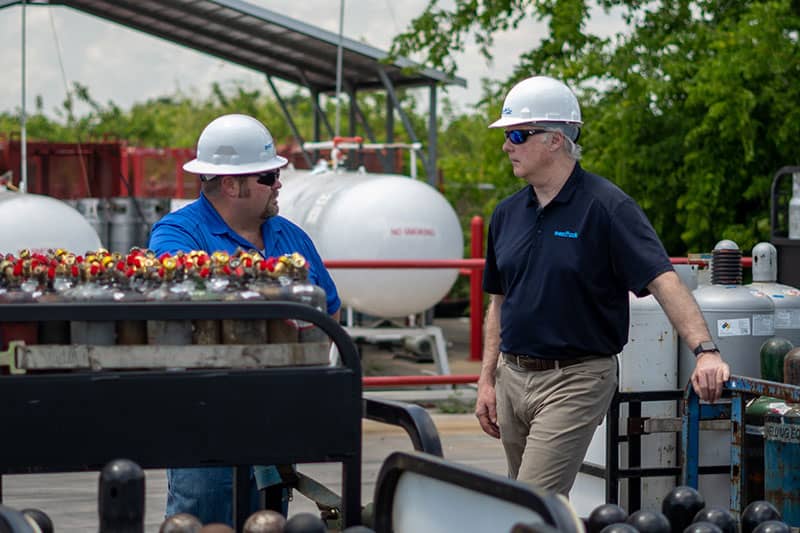
Through nexAir KnowHow, nexAir works with automotive manufacturers to support automation initiatives and optimize gas delivery systems for high-performance production environments.
This includes evaluating operational workflows, improving infrastructure reliability, and helping facilities align automation systems with long-term manufacturing goals.
By combining expertise with operational support, nexAir helps manufacturers create production environments designed for efficiency, scalability, and long-term reliability.
This approach reflects the Forge Forward philosophy, where innovation and operational insight drive stronger manufacturing performance.
Building the Future of Automotive Manufacturing
Automation will continue shaping the future of automotive manufacturing as production environments become more advanced and interconnected.
Manufacturers that invest in integrated systems, operational visibility, and reliable infrastructure will be better positioned to maintain efficiency, improve quality, and support future growth within the evolving automotive industry.


Don't see what you're looking for?
Everything we offer is a click away and it will arrive before you know it.