Cylinder Safety
Helping you put KnowHow to work.
nexAir Liquid Cylinders
Quick Reference Safety Guide
This Quick Reference Guide provides basic safety information for handling, storage and operation of nexAir DOT-rated liquid cylinders for cryogenic and refrigerated gases such as liquid nitrogen, oxygen, argon, carbon dioxide, and nitrous oxide.
Personal Protective Equipment (PPE)
To reduce the risk of injury, wear proper protective apparel before operating, transporting or handling this or any liquid cylinder.

GLOVES*
Heavy-duty work gloves
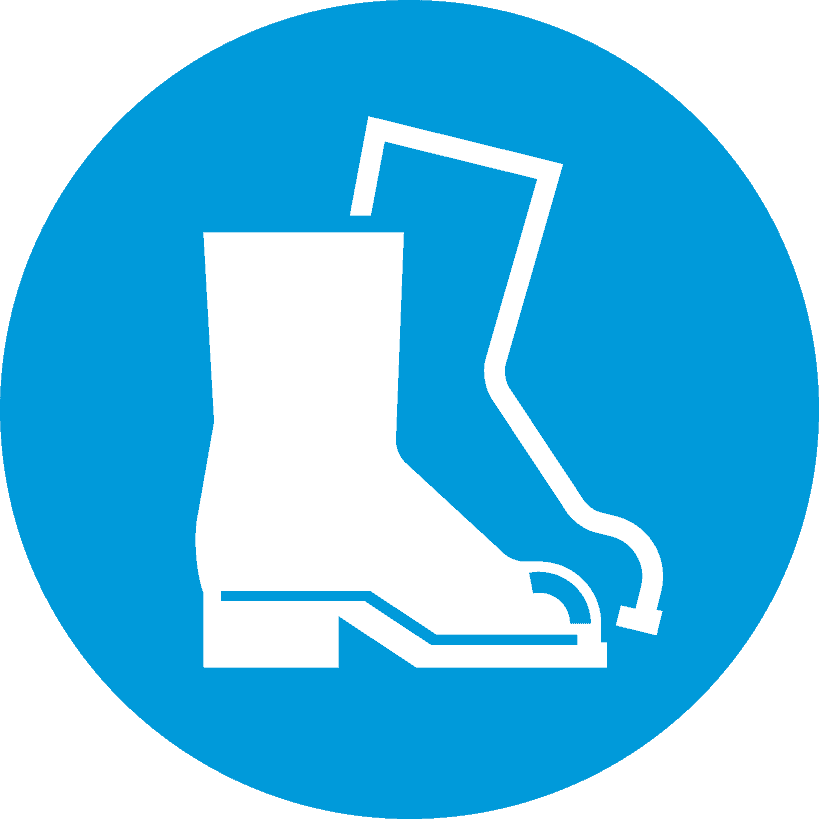
FOOTWEAR*
Steel-toed shoes or boots

SHIRT**
Long-sleeves; avoid loose-fitting

PANTS**

FACE SHIELD**
*Minimum PPE for handling and transport
**Additional PPE for filling and transfilling
Transporting & Storing Liquid Cylinders
Failure to observe these guidelines may result in serious injury.
DON’T…
- Lay, stack, transport or store liquid cylinder on its side
- Lift or roll liquid cylinder manually
- Lift or roll cylinder by handling ring or sight gauge protector
- Use chain tie downs (unlike typical gas cylinders) as these might damage finish and crush or dent cylinder wall
DO…
- Store only in open air or well-ventilated area
- Lift, move or hoist only with appropriate liquid cart or lifting device
- Store in a room with an oxygen sensor if possible
- Use or vent liquid cylinder daily to prevent pressure buildup (approx. 30psi/day)
If cylinder is dropped or falls, the following steps should be taken immediately:
- Carefully lift cylinder back to vertical position
- Slowly open vent valve to vent head pressure
- If pressure increases suddenly, open vent valve and get away from cylinder
- Contact nexAir to have cylinder evaluated as soon as possible
Cylinder ID Numbers
You can identify your liquid cylinder by the DOT-rated service pressure number.
Low pressure — DOT-4L100
Medium pressure — DOT-4L200
High pressure — DOT-4L292
Very high pressure — DOT-4L412
Safety Relief Valve & Burst Disc Pressure Chart
| DESIGNATOR | DESIGNATOR | SAFETY RELIEF VALVE PRESSURE | BURSTING DISC PRESSURE |
|---|---|---|---|
| LP | 4L-100 | 22 | 200 |
| MP | 4L-200 | 230 | 400 |
| HP | 4L-292 | 350 | 600 |
| VHP | 4L-412 | 500 | 700 |
SRV Formula: [Service Pressure x 1.25] – 15 psig = SRV Pressure
Example: [292×1.25]=356 psig -15 psig = 350 psig
BD Formula: [Service Pressure x 110%] + Service Pressure = BD Limit
Example: [292×110%] = 321.2 + 292 = 613.2 BD must not exceed (use 600 psig)
Watch our full video
How to Store, Handle, and Operate DOT-Rated Liquid Cylinder Safely