Common Welding Processes Used in Structural Steel Construction
Structural steel construction depends on welding to create permanent connections between beams, columns, and other components. The process you choose affects how fast work gets done and whether joints pass inspection. Most projects use several different welding methods based on location, material thickness, and working conditions.
Stick Welding for Field Connections
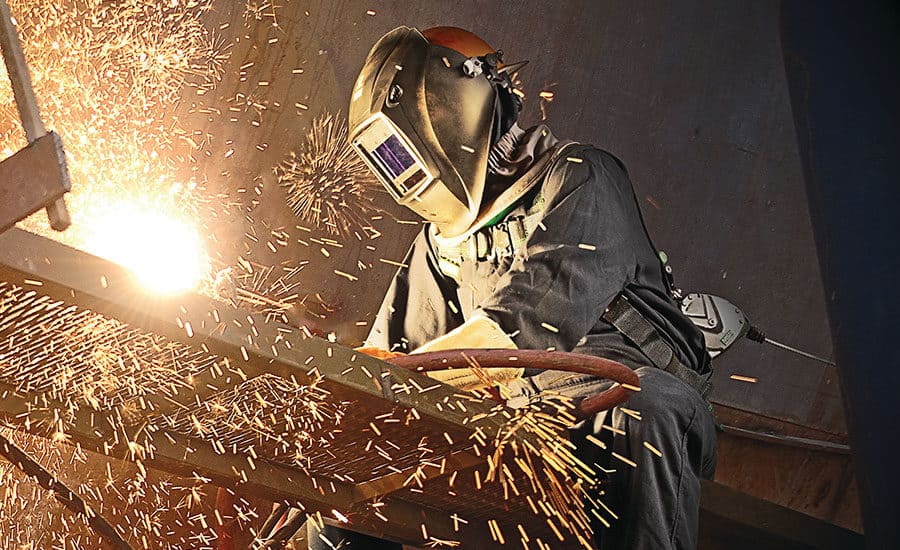
Stick welding handles most field erection work on structural steel projects. The process uses electrodes coated with flux that burns to create a protective gas shield. This self-shielding feature lets welders work in wind, rain, and other outdoor conditions that would ruin other welding processes.
Field welders carry lightweight equipment up ladders and across beams to reach connection points. Stick welding gear stays compact and portable enough for this kind of work. The electrodes come in different types matched to specific steel grades and welding positions. E7018 electrodes dominate structural work because they produce strong, ductile welds that meet building codes.
Surface conditions rarely stop stick welding. Light rust, mill scale, and minor contaminants burn away during welding instead of causing defects. This tolerance for imperfect surfaces speeds up work on renovation projects and outdoor steel that’s been exposed to weather.
MIG Welding in Fabrication Shops
Fabrication shops rely on MIG welding to build structural components efficiently. The continuous wire feed eliminates frequent stops to change electrodes. Welders maintain steady progress on long seams, producing more finished work per shift than other processes allow.
MIG creates minimal spatter and often requires no slag removal between passes. This cleanliness reduces grinding time and speeds up thick welds that need multiple layers. The process works well on the repetitive connections common in structural fabrication – identical beam-to-column joints, repetitive stiffener welds, and series production of similar components.
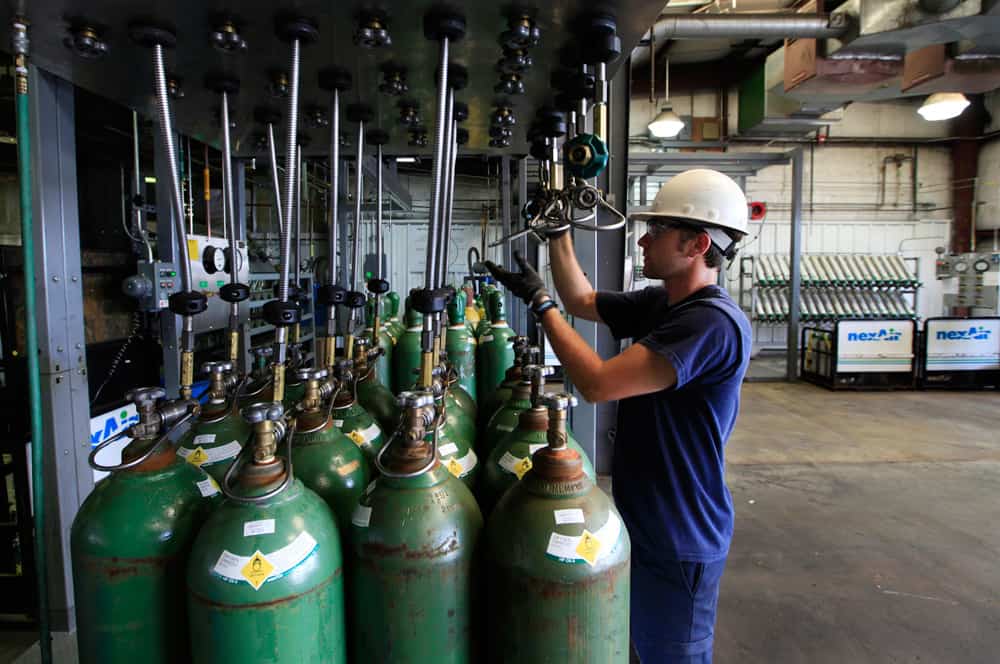
Shielding gas from cylinders protects the weld pool from contamination. This external gas requirement limits MIG to indoor locations or well-protected outdoor areas where wind won’t disrupt the gas coverage.
Flux-Cored for Heavy Field Welding
Flux-cored welding combines features from both stick and MIG processes. The hollow wire contains flux that generates shielding gas as it burns. This self-shielding version works outdoors like stick welding but feeds continuously like MIG for better productivity.
Contractors use flux-cored on heavy structural connections that need deep penetration and high deposition rates. The process handles thick materials efficiently while tolerating field conditions. It works in all positions, making it practical for the varied joint angles found in structural erection.
Submerged Arc for Large Components
Submerged arc welding serves specialized roles in heavy structural fabrication. The process uses granular flux that completely covers the welding arc. Automatic equipment moves the welding head along straight seams, creating deep penetration welds in single passes.
This method excels at welding thick plate for bridge girders, large building columns, and other massive components. The automated operation and high deposition rates make it economical for long, straight welds on parts that can be positioned flat or horizontal.
Selecting Processes for Your Project
Most structural steel work combines multiple processes. Shops use MIG and submerged arc where conditions allow maximum productivity. Field crews rely on stick and flux-cored to handle outdoor environments and varied access conditions. Matching each process to appropriate applications keeps projects moving efficiently.
nexAir’s expert KnowHow™ helps contractors select the right welding processes and supplies for structural steel projects. Contact us today to discuss your specific needs and Forge Forward with solutions that improve both quality and productivity.
Looking out for your future
Get your career going on the right track with nexAir
Find out how nexAir KnowHow has impacted businesses all over the Southeast
Our expertise makes us more than a valuable partner, it makes us headlines

Don't see what you're looking for?
Everything we offer is a click away and it will arrive before you know it.