How Automotive Manufacturers Use Dry Ice Blasting for Equipment Cleaning
Automotive manufacturing runs on precision and speed. Assembly lines can’t afford extended downtime, and even minor defects in paint finish or weld quality create expensive rework. Equipment stays cleaner when maintenance happens regularly, but traditional cleaning methods take too long or risk damaging the tooling that shapes metal and applies coatings. Dry ice blasting has become essential in auto plants because it cleans thoroughly without disrupting tight production schedules.
Keeping Robotic Welding Systems Running Clean
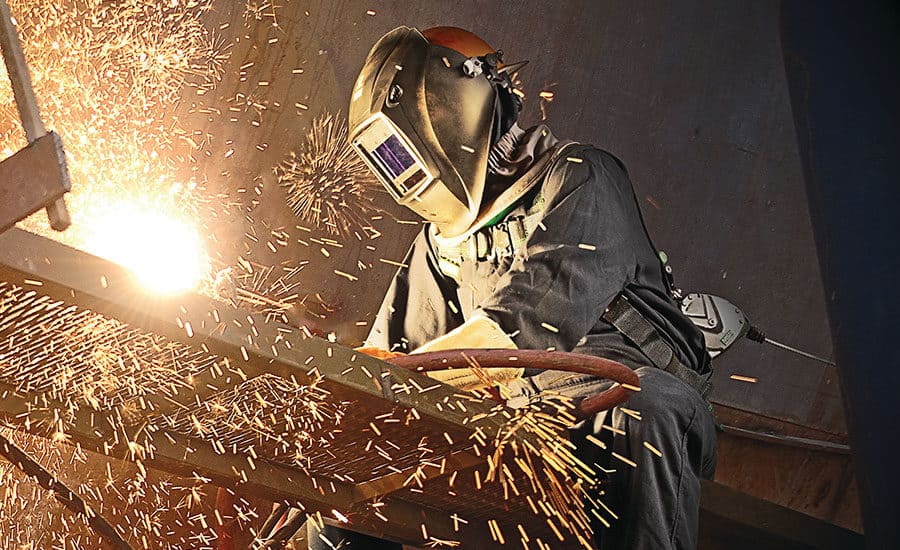
Dry ice blasting cleans robotic welders in place without disassembly. The pellets remove spatter from tips, nozzles, and arms while leaving the robot’s mechanics untouched. Many plants now clean their welding robots during shift changes or short breaks instead of scheduling dedicated maintenance windows. This keeps quality consistent and reduces the emergency repairs that happen when spatter buildup finally causes a failure.
Paint Booth Maintenance Without Chemical Residue
Paint booths collect overspray that builds up on walls, floors, and ventilation systems. This accumulation affects air flow patterns and can contaminate fresh paint jobs with particles that break loose and settle on wet surfaces. Traditional cleaning involves solvents that create their own contamination risks and require extensive ventilation and protective equipment for workers.
Dry ice blasting removes paint buildup without introducing chemicals that might affect subsequent paint jobs. The method works on booth walls, filters, and exhaust systems without leaving residue that could show up in the next vehicle’s finish. Plants can maintain their booths more frequently because the cleaning happens faster and doesn’t require the same safety protocols as solvent-based methods. Better booth cleanliness translates directly to fewer paint defects and lower rework rates.
Cleaning Stamping Dies and Press Equipment
Stamping operations shape sheet metal into body panels, brackets, and structural components. The dies that form these parts collect lubricants, metal particles, and polymer coatings that transfer from the sheet metal during stamping. This buildup changes how dies contact the metal and can cause surface defects or dimensional problems in finished parts.
Removing this contamination used to mean pulling dies out of presses and sending them to a cleaning station where workers scrubbed them by hand or soaked them in chemical baths. A die might be out of service for an entire shift or longer. Dry ice blasting cleans dies in the press, which eliminates transportation time and reduces the risk of damage during handling. The cold pellets also help solidify lubricants and oils, making them easier to remove from intricate die surfaces.
Real Results in High-Volume Production
Automotive plants measure success in units per hour and defect rates per thousand vehicles. Any cleaning method has to support these metrics rather than working against them. Dry ice blasting fits into lean manufacturing principles because it reduces waste in the form of downtime, chemical disposal, and quality escapes. Plants that adopt this technology typically see faster changeovers between model runs, fewer paint defects, and better uptime on automated equipment. nexAir’s KnowHow™ helps automotive manufacturers optimize their cleaning processes for specific equipment and production requirements, so plants can Forge Forward with maintenance strategies that support rather than interrupt their output goals.
Looking out for your future
Get your career going on the right track with nexAir
Find out how nexAir KnowHow has impacted businesses all over the Southeast
Our expertise makes us more than a valuable partner, it makes us headlines

Don't see what you're looking for?
Everything we offer is a click away and it will arrive before you know it.