How Certified Gas Blends Support Regulatory Compliance
Regulatory compliance in manufacturing is rarely simple, and the gases you use are no exception. Across industries from food and beverage to environmental monitoring to medical device production, certified gas blends play a direct role in keeping operations within the standards set by agencies like the EPA, FDA, and OSHA. Using the wrong blend, or one without proper documentation, can put audits, certifications, and production approvals at risk.
What Makes a Gas Blend Certified
Certification is about traceability and verified accuracy. A certified gas blend comes with documentation confirming that its composition has been measured and validated against recognized standards, typically traceable to the National Institute of Standards and Technology. Each component of the blend is weighed and analyzed to ensure it falls within the required tolerance, which for many compliance applications runs as tight as plus or minus one percent.
The fill plant producing the blend matters just as much as the blend itself. Facilities operating under ISO 17025 accreditation follow strict quality management protocols that cover everything from equipment calibration to how results are recorded and reported. When an auditor or regulatory body asks for documentation on your gas supply, a certified blend from an accredited facility gives you a defensible, traceable answer.
Where Certified Blends Are Required
Emissions monitoring is one of the most common compliance applications. Facilities that report air emissions under EPA regulations rely on calibration gases to verify that their continuous emissions monitoring systems are reading accurately. EPA protocol gases must meet specific certification criteria, and using an uncertified substitute puts those readings in question.
Food and beverage operations using modified atmosphere packaging need gas blends that meet FDA standards for direct and indirect food contact. Environmental laboratories running gas chromatography equipment require reference gases certified to the concentrations their methods specify. In each of these cases, the certification is not optional. It is part of what makes the measurement or process defensible under regulatory scrutiny.
The Risk of Using Uncertified Product
Substituting a standard industrial blend for a certified one might seem like a minor cost-saving move, but the downstream exposure adds up. Calibration equipment running on an unverified gas produces data that cannot be defended in an inspection. Processes relying on uncertified blends introduce variability that can trigger failed audits, product holds, or retesting requirements.
Documentation gaps create their own problems. When a regulatory agency requests records showing that your calibration gases met specification at the time of use, certificate of analysis paperwork needs to be ready. Suppliers who do not provide this leave you without the paper trail compliance depends on.
Getting the Right Blend From the Right Source
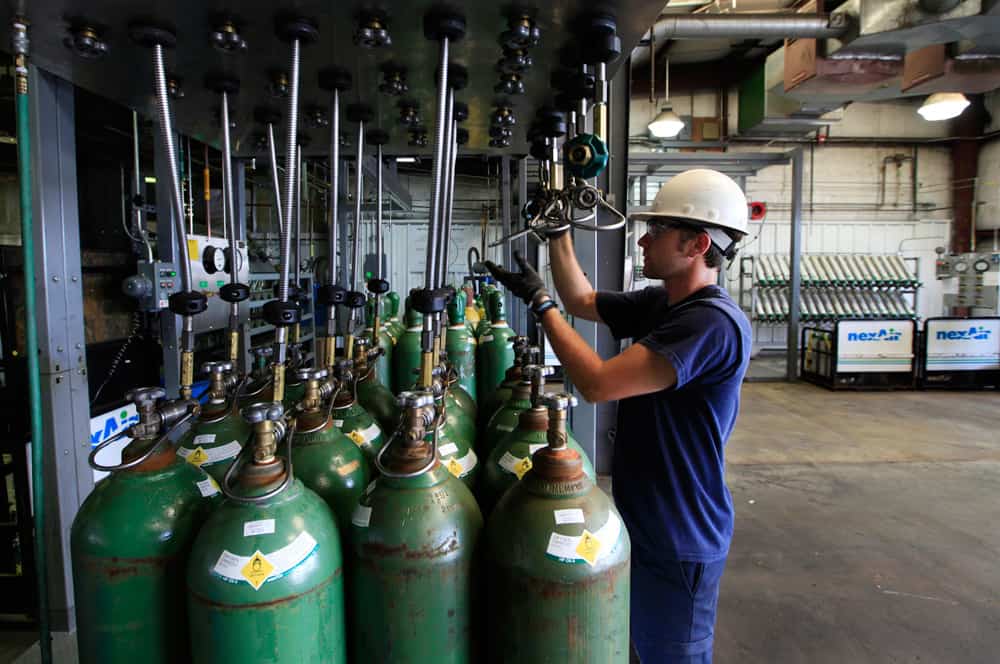
Certified gas blends require a supplier with the production capability and quality systems to back them up. Our ISO 17025-certified fill plants operate around the clock to produce precise, consistent blends with the documentation your compliance program requires. Through nexAir KnowHow™, our team has helped operations match the right certified blend to their specific application and keep their supply consistently in spec.
Reach out to your local branch and Forge Forward with a gas supply your compliance program can count on.
Looking out for your future
Get your career going on the right track with nexAir
Find out how nexAir KnowHow has impacted businesses all over the Southeast
Our expertise makes us more than a valuable partner, it makes us headlines

Don't see what you're looking for?
Everything we offer is a click away and it will arrive before you know it.