How Gas Purity Impacts Product Quality in Manufacturing
Manufacturing processes that use industrial gases rarely tolerate contamination. A few parts per million of the wrong substance can ruin welds, spoil food products, compromise pharmaceutical batches, or damage electronics. Gas purity directly affects whether products meet specifications, and the required purity level varies dramatically depending on the application.
Contaminants Cause Specific Quality Problems
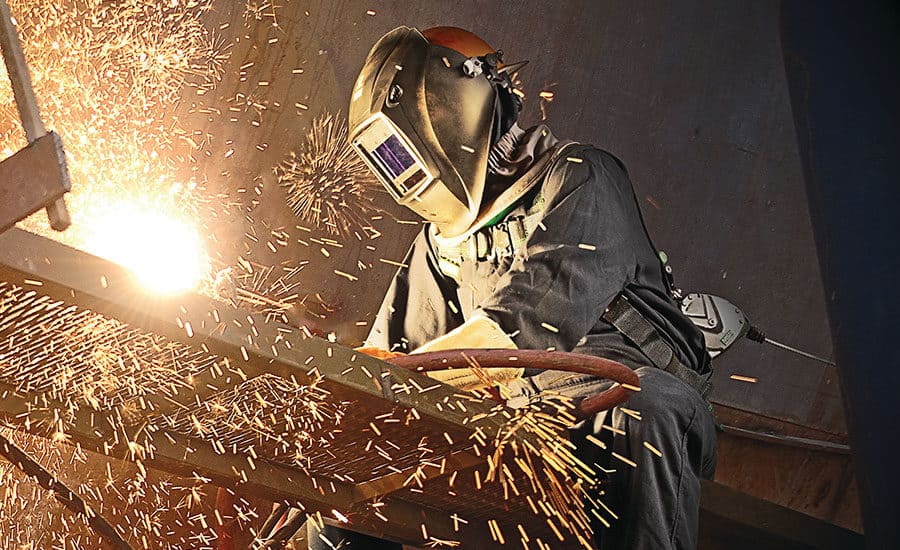
Different impurities create different problems depending on the manufacturing process. Moisture in welding shielding gas leads to porosity in the weld bead, creating weak joints that fail quality inspections or break under stress. Oxygen contamination in nitrogen used for food packaging accelerates oxidation and spoilage, cutting shelf life despite proper packaging procedures. Hydrocarbon traces in gases used for electronics manufacturing can deposit onto sensitive components during production, causing failures that don’t show up until products reach customers.
The concentration matters as much as the contaminant type. Welding mild steel with general-purpose argon containing 10-20 parts per million of oxygen works fine for most applications. That same gas would destroy welds on titanium or aluminum, where oxide formation happens almost instantly and ruins the joint completely. Electronics manufacturing often requires gases with purity levels of 99.999% or higher because even trace contamination at the parts-per-billion level interferes with delicate processes like semiconductor fabrication.
Industrial gas suppliers classify purity in grades, from commercial grade suitable for basic applications up to ultra-high purity for demanding processes. The price increases with purity level, which creates pressure to use the lowest acceptable grade rather than defaulting to the highest purity available.
Gas Delivery Methods Affect Purity Maintenance
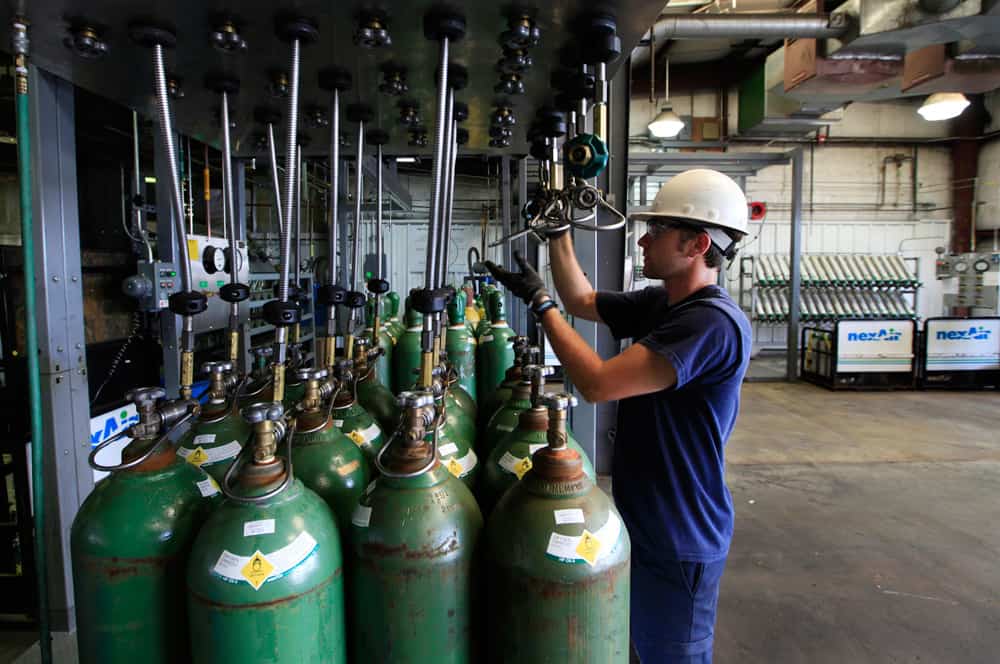
Gas purity at the source matters less than purity at the point of use. Contamination can occur during storage, transfer, and distribution if the delivery system isn’t properly designed and maintained. Cylinders can introduce contamination if they’re not cleaned properly between fills, which becomes a risk when cylinders get recycled through various customers and applications before returning to the supplier for refilling.
Dedicated bulk tanks eliminate the recycling concern because the tank serves only one customer and typically handles only one gas type. The gas supplier fills the tank directly from their delivery system, and the gas flows through dedicated piping to the application without exposure to atmosphere or potential cross-contamination. For applications requiring consistent high purity, this closed system provides better contamination control than cylinders moving through a shared supply chain.
Piping materials and installation quality significantly impact purity maintenance. Copper tubing works well for many gases but can introduce copper contamination in certain applications. Stainless steel piping costs more but maintains purity better for reactive gases or ultra-high purity applications.
Testing and Monitoring Protect Quality
Assuming gas purity based on what you ordered isn’t the same as verifying what you’re actually using. Gas suppliers provide certificates of analysis showing purity levels at the time of filling, but those numbers don’t account for contamination during storage, transfer, or distribution. Critical applications justify periodic testing at the point of use to confirm that gas reaching your process meets required specifications.
Process changes or quality problems that appear suddenly sometimes trace back to gas purity issues that went unnoticed. When a manufacturing process that’s been stable for months suddenly produces defects, gas contamination belongs on the troubleshooting checklist alongside the more obvious suspects like equipment wear or operator error. Manufacturers can Forge Forward with consistent product quality by working with nexAir’s KnowHow™ to match gas purity specifications to actual process requirements and establish verification procedures that catch contamination before it reaches the production line.
Looking out for your future
Get your career going on the right track with nexAir
Find out how nexAir KnowHow has impacted businesses all over the Southeast
Our expertise makes us more than a valuable partner, it makes us headlines

Don't see what you're looking for?
Everything we offer is a click away and it will arrive before you know it.