How Medical Gas Systems Support Patient Safety
In a healthcare facility, medical gas is not a utility. It is a drug. Oxygen, nitrous oxide, medical air, and other gases used in patient care are regulated as such, which means the systems that store, deliver, and monitor them carry a level of responsibility that goes well past what most supply infrastructure demands. When those systems work correctly, patients receive the right gas at the right concentration without interruption. When they do not, the consequences can be severe.
What Medical Gas Systems Actually Do
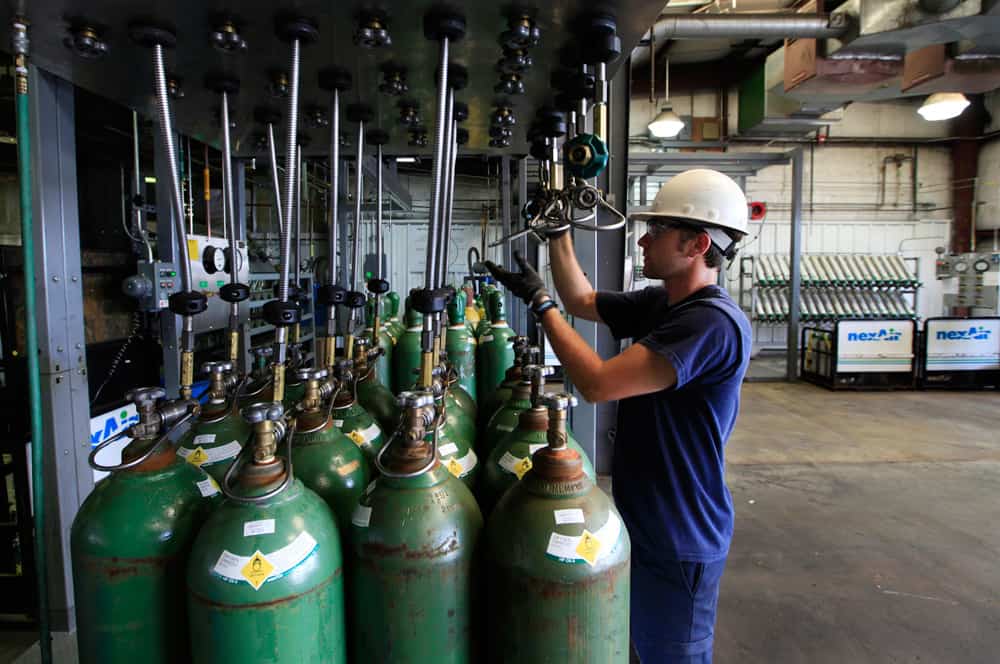
A medical gas system is a network of sources, pipelines, outlets, and monitoring equipment that delivers gas from a central supply point to wherever it is needed in a facility. Bulk liquid oxygen tanks feed into pipeline systems that run through walls and floors to patient rooms, operating suites, and intensive care units. Manifolds manage cylinder banks for gases used in lower volumes. Zone valves allow staff to isolate sections of the system during emergencies or maintenance without disrupting the rest of the facility.
Each outlet is designed for a specific gas, and connection hardware is intentionally non-interchangeable to prevent cross-connections. That design feature has a direct history behind it. Early cross-connection incidents in hospitals led to patient deaths and drove the development of the standards that govern medical gas systems today, including NFPA 99, which sets the baseline for system design, installation, and maintenance across healthcare facilities in the United States.
Purity and Consistent Pressure
Patient safety depends on the gas being the right grade and the pressure holding steady at the point of care. A failure in either area creates risk that staff cannot always catch before it reaches a patient.
Medical-grade oxygen must meet pharmacopeial purity standards. It is not the same product as industrial oxygen, and substituting one for the other in a healthcare setting is a serious safety violation. Medical air carries similar requirements, and the pipeline system’s filtration and drying equipment maintains those standards from the source to the outlet.
Pressure monitoring and alarm systems alert facility staff to drops or surges before they reach a patient care area. Backup supply configurations ensure that a disruption at the primary source does not reach the floor.
Maintenance and Compliance
Medical gas systems require certified installation and third-party verification before they can be placed into service. After that, annual inspections keep the system in compliance with NFPA 99 and the standards set by accrediting bodies like The Joint Commission. A facility that falls out of compliance faces more than regulatory exposure. It faces real risk to the patients depending on that system every day.
Routine maintenance of compressors and alarm panels keeps the system performing as designed between inspections. Deferred maintenance is where most preventable failures begin.
A Supplier Who Understands the Stakes
Medical gas supply requires a partner with the product quality and technical knowledge that healthcare demands. Through nexAir KnowHow™, our team has supported healthcare facilities with medical-grade gases, equipment installation, and the supply continuity their patients depend on.
Reach out to your local branch and Forge Forward with a medical gas partner built for the demands of patient care.
Looking out for your future
Get your career going on the right track with nexAir
Find out how nexAir KnowHow has impacted businesses all over the Southeast
Our expertise makes us more than a valuable partner, it makes us headlines

Don't see what you're looking for?
Everything we offer is a click away and it will arrive before you know it.