How nexAir Helps Aerospace Industry Teams Choose the Right Welding Gas Solutions
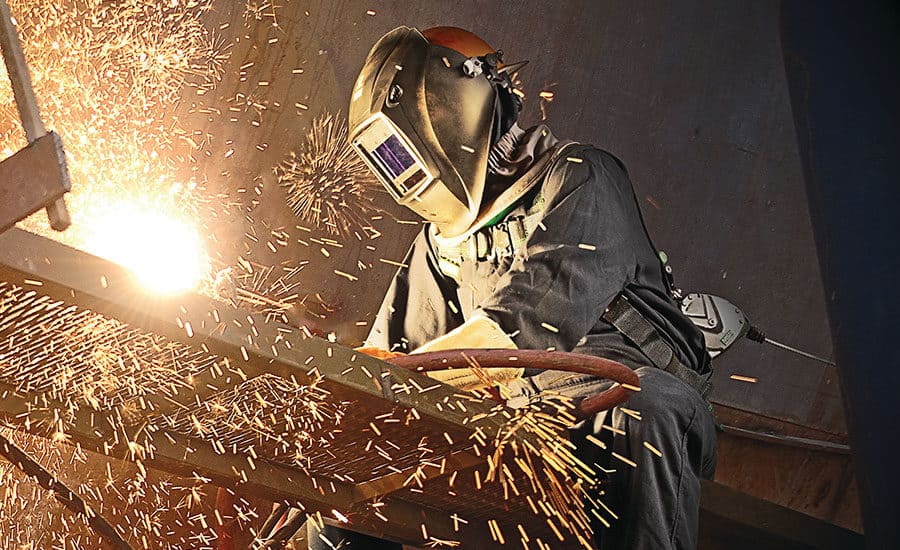
Selecting welding gases for aerospace applications isn’t like picking supplies for general fabrication work. The materials you’re joining have been engineered to perform in environments where failure isn’t an option. Titanium alloys that will face extreme thermal cycling. Aluminum components that need to maintain strength while minimizing weight. Stainless steel assemblies that must resist corrosion for decades. Each of these materials responds differently to various shielding gases, and making the wrong choice can compromise the integrity of critical joints.
We work with aerospace manufacturers every day who are dealing with increasingly complex welding challenges. New material combinations, tighter tolerance requirements, and evolving certification standards mean that the gas selection process requires more technical depth than ever before. That’s where our team comes in.
Understanding Material-Specific Gas Requirements
Titanium welding presents one of the most demanding scenarios in aerospace fabrication. This material oxidizes rapidly at welding temperatures, which means your shielding gas needs to provide complete protection not just at the weld pool but across the entire heat-affected zone. We typically recommend ultra-high purity argon for titanium applications, often with trailing shields and backing gas systems to ensure full coverage. Even minor oxygen contamination will show up as discoloration, and while that might seem cosmetic, it indicates oxidation that weakens the joint.
Aluminum welding brings different considerations into play. Pure argon works well for thinner sections, but as material thickness increases, you may need helium blends to achieve better heat input and penetration. The ratio matters because too much helium can make arc starting difficult and increase spatter. Our technical team evaluates your specific aluminum grades and thickness ranges to recommend gas mixtures that balance penetration, arc stability, and weld appearance.
Stainless steel alloys used in aerospace often require tri-mix gases that combine argon, helium, and carbon dioxide. These blends provide the arc characteristics needed for consistent bead profiles while minimizing heat input that could cause warping or distortion. The exact percentages depend on whether you’re working with austenitic, martensitic, or duplex grades.
Process Considerations That Influence Gas Selection
The welding process you’re using dramatically affects which gases will give you the best results. TIG welding generally relies on pure argon or argon-helium blends because the process requires a stable, focused arc. MIG welding often benefits from small additions of oxygen or carbon dioxide to improve arc stability and reduce surface tension, though these additions need careful control in aerospace applications where oxidation sensitivity is high.
Automated welding systems add another layer of complexity. When you’re programming robotic welders, gas flow rates and mixture compositions directly impact your process parameters. We help manufacturers dial in their automated systems by providing consistent gas compositions that let them achieve repeatable results across production runs. That consistency becomes crucial when you’re welding hundreds of identical components that all need to meet the same mechanical property requirements.
Building Long-Term Welding Gas Partnerships
The aerospace industry keeps evolving, and so do welding requirements. As you take on new programs or work with emerging materials, you need a gas supplier who stays current with industry developments and can provide expert KnowHow™ when you’re facing unfamiliar challenges.
We’ve invested heavily in understanding aerospace welding applications because we know how much depends on getting these details right. When you partner with us, you’re getting access to technical expertise that helps you Forge Forward with confidence in your welding operations.
Ready to discuss your aerospace welding gas requirements? Contact our technical team to review your applications and find solutions that deliver the performance and consistency your projects demand.
Looking out for your future
Get your career going on the right track with nexAir
Find out how nexAir KnowHow has impacted businesses all over the Southeast
Our expertise makes us more than a valuable partner, it makes us headlines

Don't see what you're looking for?
Everything we offer is a click away and it will arrive before you know it.