How to Choose the Right Shielding Gas for Welding Projects
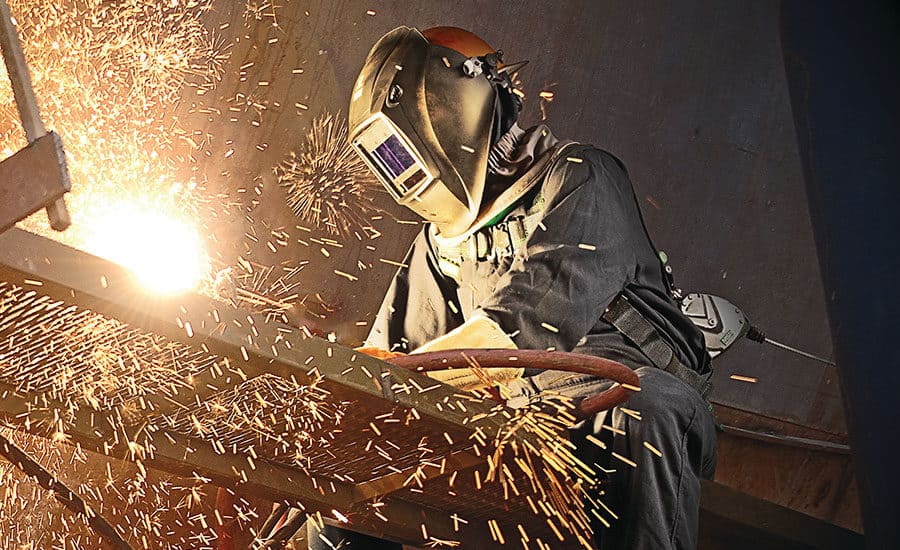
Shielding gas selection affects weld penetration, bead appearance, spatter levels, and joint strength. Pick the wrong gas and you’ll fight quality problems throughout the job. The decision depends on base metal type, welding process, material thickness, and what characteristics matter most for the specific application.
Base Metal Dictates Gas Requirements
Steel welding typically uses carbon dioxide, argon, or blends of the two. Pure CO2 costs less and provides deep penetration, making it popular for thicker steel sections where joint strength matters more than appearance. The tradeoff comes in spatter—CO2 produces more than mixed gases—and a rougher bead profile that needs cleanup for visible welds.
Argon-CO2 mixtures reduce spatter and create smoother beads while maintaining good penetration. Common blends like 75/25 or 90/10 argon-CO2 work well for thinner materials and applications where bead appearance matters. Short circuit transfer MIG welding benefits from higher argon content, while spray transfer welding on thicker material can handle more CO2 in the mix.
Stainless steel requires argon-rich mixtures to protect the chromium content that gives stainless its corrosion resistance. Typical blends use 90% argon with 10% CO2, or tri-mix combinations that add helium for better heat input on thick sections. Aluminum and other non-ferrous metals need pure argon or argon-helium blends because these materials oxidize aggressively when exposed to oxygen during welding.
Welding Process Influences Gas Choice
MIG welding offers the most flexibility in gas selection. The continuous wire feed and relatively forgiving nature of the process work with various gas mixtures, letting welders optimize for cost, quality, or productivity depending on project requirements. High-production environments often accept the spatter from straight CO2 because the cost savings add up across thousands of feet of weld. Custom fabrication shops doing visible welds typically spend more for argon blends that produce cleaner results.
TIG welding demands pure argon or argon-helium blends regardless of base metal. The process generates lower heat input than MIG and requires extremely stable arc characteristics that pure inert gases provide. Helium additions increase heat input for materials that conduct heat rapidly or when welding thick sections, but straight argon handles most TIG applications effectively.
Flux-cored welding can run with or without shielding gas depending on wire type. Self-shielded flux-cored wire generates its own protective atmosphere from the flux, which makes it useful for outdoor work where wind would blow away external shielding gas. Gas-shielded flux-cored wire typically uses straight CO2 or 75/25 argon-CO2, producing higher quality welds than self-shielded wire but requiring gas supply equipment and wind protection.
Cost and Availability Factor Into Practical Decisions
Gas prices vary regionally and fluctuate with market conditions. High-volume operations can often negotiate better pricing on bulk gas supply, which changes the cost equation compared to buying cylinders as needed. The convenience of using one gas for multiple applications sometimes outweighs the performance benefits of switching gases for different jobs.
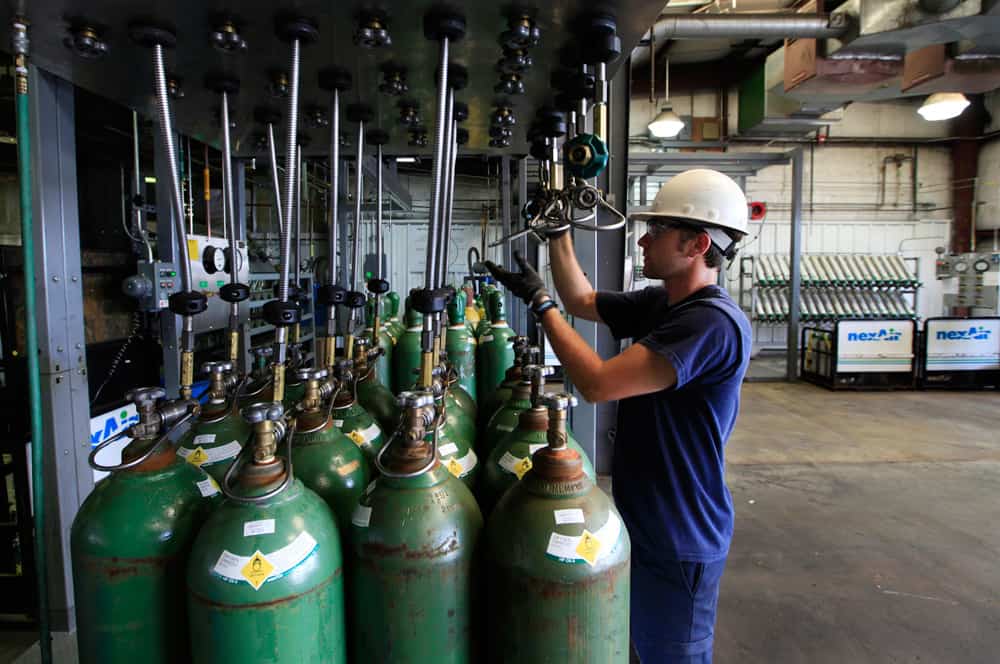
Cylinder availability matters for smaller shops or remote job sites. Exotic mixtures might offer technical advantages but create supply chain headaches if your local distributor doesn’t stock them regularly. Multiple gas types mean more cylinders taking up floor space and higher chances of grabbing the wrong gas during busy production periods. Some shops standardize on one or two gas types that handle most of their work adequately rather than maintaining inventory of specialized mixtures used occasionally.
nexAir’s KnowHow™ helps welding operations balance technical requirements against practical constraints and Forge Forward with gas solutions matched to real shop conditions.
Looking out for your future
Get your career going on the right track with nexAir
Find out how nexAir KnowHow has impacted businesses all over the Southeast
Our expertise makes us more than a valuable partner, it makes us headlines

Don't see what you're looking for?
Everything we offer is a click away and it will arrive before you know it.