How Welding Automation Supports Skilled Labor Shortages
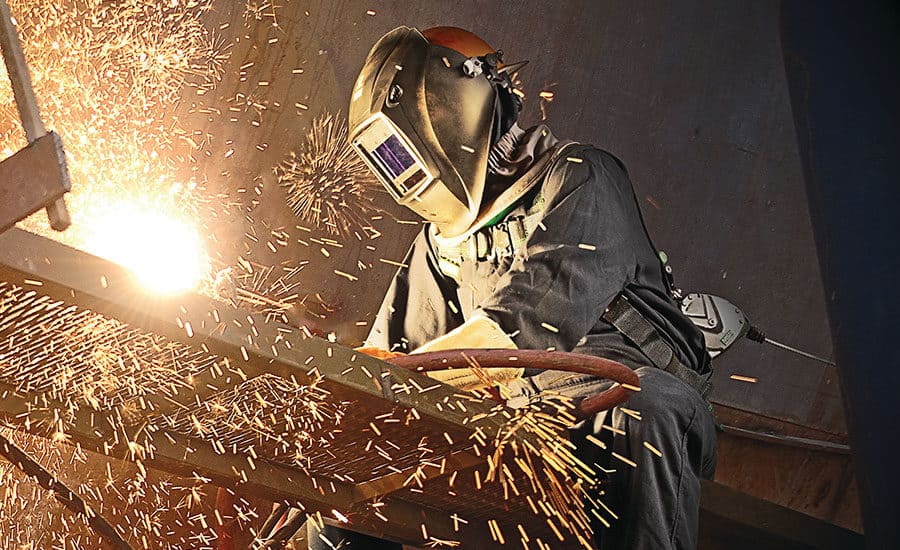
The welding industry is facing a workforce gap that is not going away on its own. The American Welding Society projects a shortfall of roughly 330,000 welding professionals by 2028, driven by an aging workforce retiring faster than new talent can replace it. Shops that wait for the labor market to correct itself are already feeling the pressure. Automation is not a replacement for skilled welders. It is a way to keep production moving while the workforce catches up.
The Scale of the Problem
More than 20 percent of today’s welding workforce is approaching retirement age. The knowledge and technique built over decades of hands-on experience does not transfer quickly. A new hire entering the trade needs years of practice before handling complex geometries or code-quality work independently. In the meantime, demand for welded products keeps climbing across construction, energy, and manufacturing.
What that creates on the shop floor is a gap between what skilled welders can produce and what customers need delivered. Shops stretch their best people across too many jobs, which leads to fatigue, higher turnover, and quality inconsistency that compounds over time.
What Automation Brings to the Floor
Automated welding systems, particularly collaborative robots or cobots, are designed to handle high-volume repetitive work with consistent results. A cobot executes programmed weld parameters the same way on every part, every pass, without the variability that comes with fatigue or distraction. That consistency is valuable on its own, and it becomes more valuable when the alternative is relying on an already stretched team to maintain that standard manually.
Cobots also integrate into a shop environment without the safety fencing that traditional industrial robots require. They are designed to work alongside people, which makes them practical for smaller operations and shops with limited floor space. Programming time has dropped significantly with modern systems. Some operators report programming new weld paths in under five minutes, compared to an hour or more with earlier-generation equipment.
How Skilled Welders Fit In
Automation works best when it frees skilled welders to focus on the work that demands their expertise. Complex joints, out-of-position welds, custom fabrication, and quality inspection all require human judgment and experience that no cobot replaces. When repetitive production runs are handled automatically, experienced welders can focus on higher-value work and troubleshooting, which is where their skills have the most impact.
Shops that adopt this approach also find it easier to bring newer welders along. Operators starting on automated cells learn weld fundamentals through the process itself, building knowledge on the job while the automated system maintains output quality. That creates a more sustainable path to developing internal talent over time.
Gas Supply That Keeps Pace
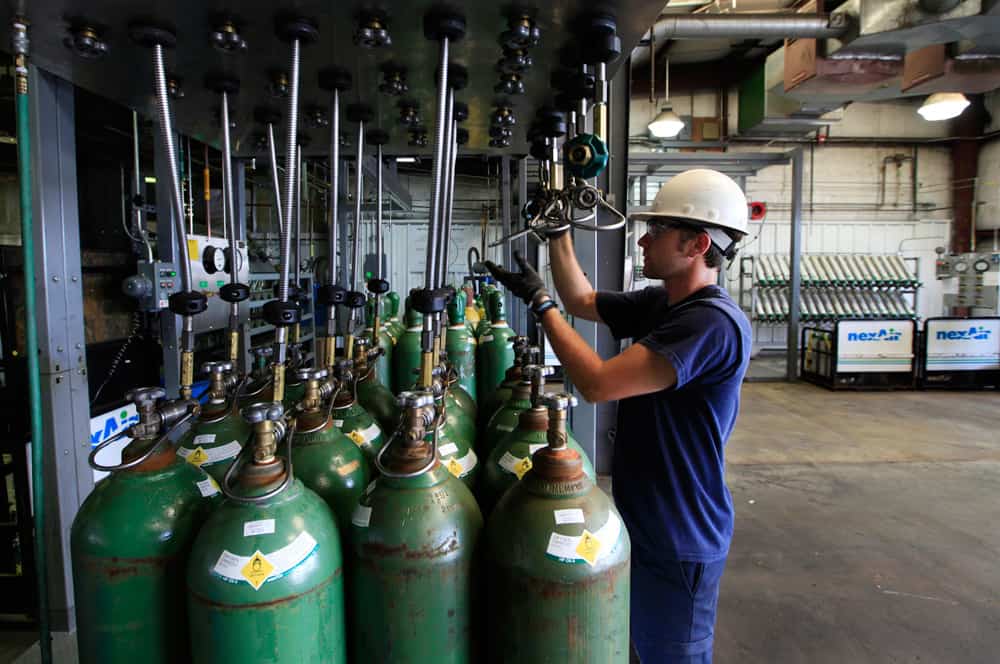
Automated welding cells run at higher arc-on time than manual operations, which means gas consumption increases. Shielding gas supply needs to match that pace. Running short mid-shift on an automated cell stops production just as surely as an equipment failure.
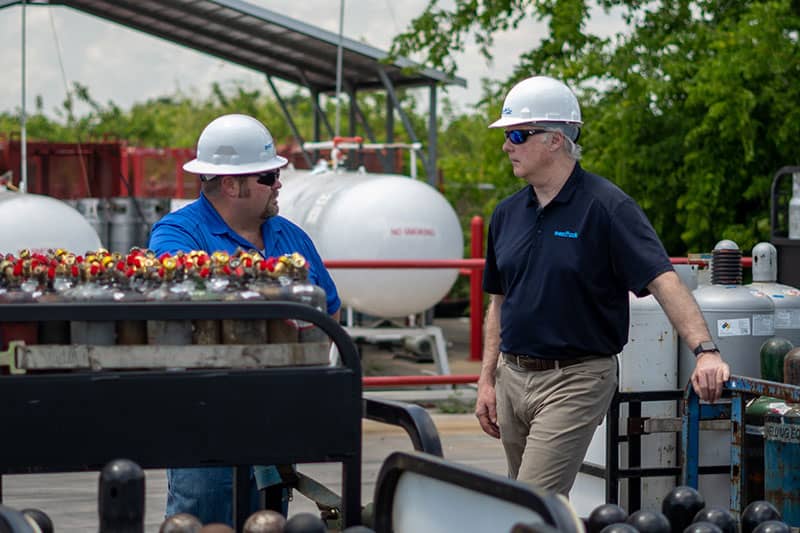
Through nexAir KnowHow™, our team has helped welding operations build supply setups that keep pace with automated production schedules. Reach out to your local branch and Forge Forward with a gas supply built for the way your shop runs today.
Looking out for your future
Get your career going on the right track with nexAir
Find out how nexAir KnowHow has impacted businesses all over the Southeast
Our expertise makes us more than a valuable partner, it makes us headlines

Don't see what you're looking for?
Everything we offer is a click away and it will arrive before you know it.