Industrial Hardgoods: The Role of Consumables in Welding Performance
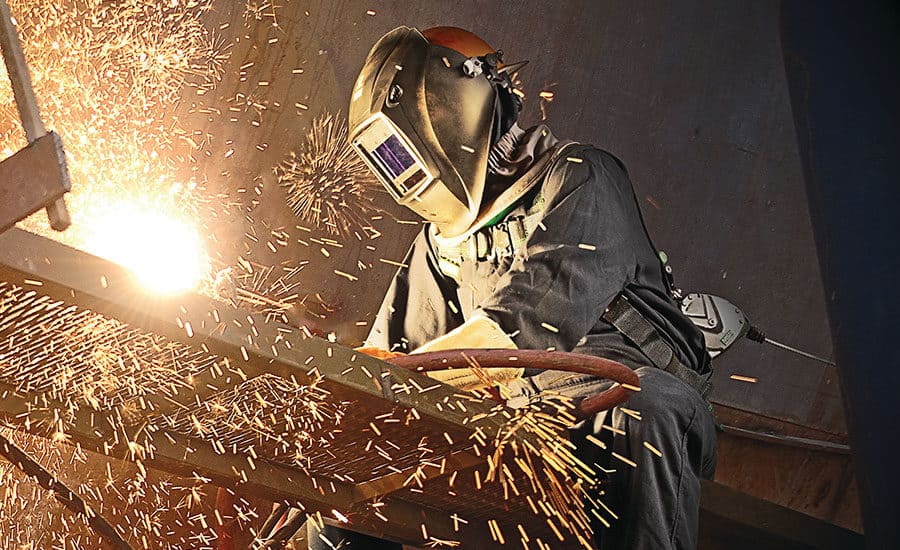
There’s a lot that goes into a quality weld, and consumables are a bigger part of that equation than they sometimes get credit for. At nexAir, we carry a full range of hardgoods and work closely with customers to make sure what they’re running at the arc is matched to what they’re trying to accomplish.
Filler Metal Selection
Choosing the right filler metal starts with the base material. Carbon steel, stainless steel, and aluminum each have different chemistry at the weld pool, and the filler needs to align with that. Beyond base material compatibility, welding position, joint design, and production volume all influence which product makes the most sense for a given job.
For MIG welding mild steel, solid wire with reliable feed characteristics is typically the right call. Stainless applications require alloys that maintain corrosion resistance through the heat of the weld cycle. Aluminum wire is softer than steel and calls for a feed system set up to handle it without causing deformation. TIG welding introduces its own set of variables, and rod selection follows the same base material logic with added consideration for the precision the process demands.
Torch Consumables and Why They Need Regular Attention
Contact tips, nozzles, gas diffusers, and liners all sit close to the arc and wear accordingly. A worn contact tip affects wire placement and arc stability in ways that can be hard to trace without looking at the consumable first. Nozzles and diffusers that have accumulated spatter restrict shielding gas flow, which introduces porosity into the weld. Neither problem is complicated to address, but both tend to go unnoticed longer than they should when there isn’t a regular replacement schedule in place.
Liner condition matters too. As debris builds up inside the liner, feeding resistance increases and the risk of burnbacks rises. Replacing liners proactively, typically every three to five spools depending on conditions, keeps the feed system running cleanly between torch services.
Electrodes and Tungsten
Stick electrode selection follows the same base material matching logic as filler wire, with additional consideration for the environment. Field welding and outdoor applications often call for electrodes that perform better in the presence of surface contamination or moisture.
For TIG work, tungsten type has a direct effect on arc starting and stability. Pure tungsten is well suited to aluminum. Lanthanated tungsten starts reliably across a broader range of materials and has become the more practical choice in shops that weld multiple material types without changing their setup between jobs.
Getting the Supply Side Right
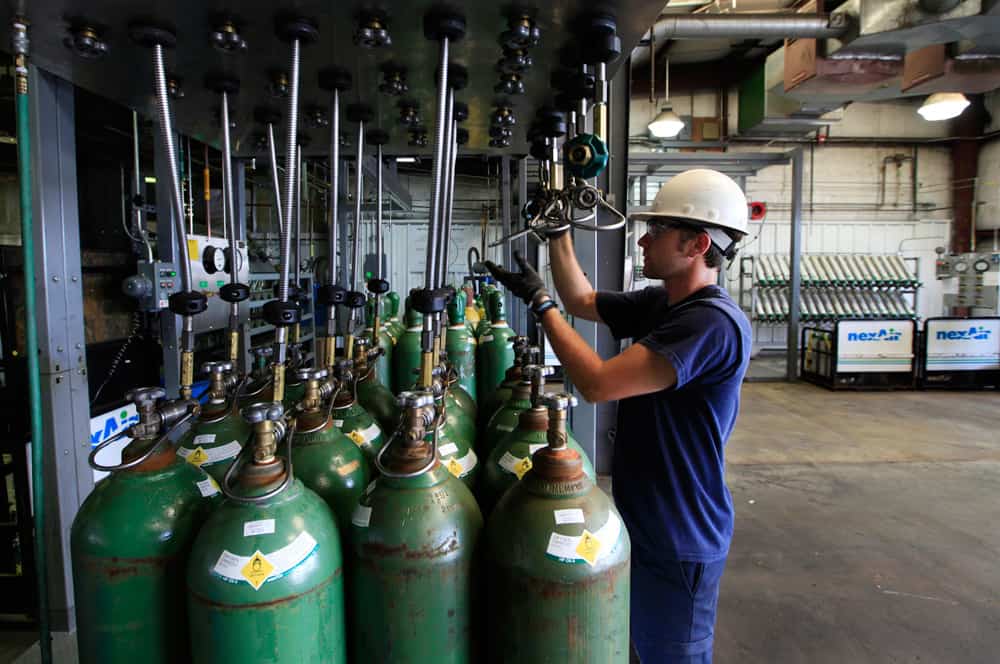
Consumables need to be available when the work calls for them, in the right format for how the shop operates. High-volume production environments benefit from larger packaging that reduces the frequency of changeovers. Shops running varied work across multiple locations tend to do better with smaller, well-sealed packaging that holds up to being moved around.
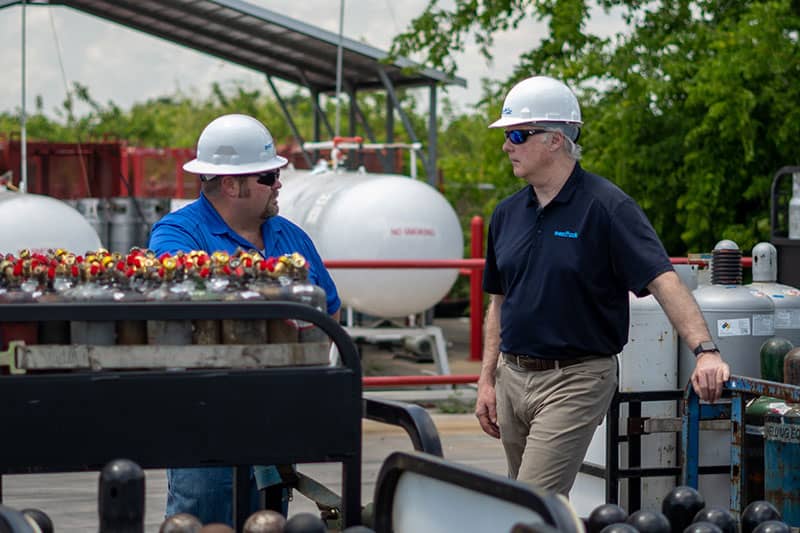
Backed by our expert KnowHow™, we help customers build a consumable supply program that fits how they work. We help our clients Forge Forward with ease, and a well-stocked, well-matched hardgoods setup is one of the more practical ways to support consistent output day to day. Reach out to your local nexAir team and let’s talk through what makes sense for your operation.


Don't see what you're looking for?
Everything we offer is a click away and it will arrive before you know it.