Maintaining Weld Consistency in Automotive Production
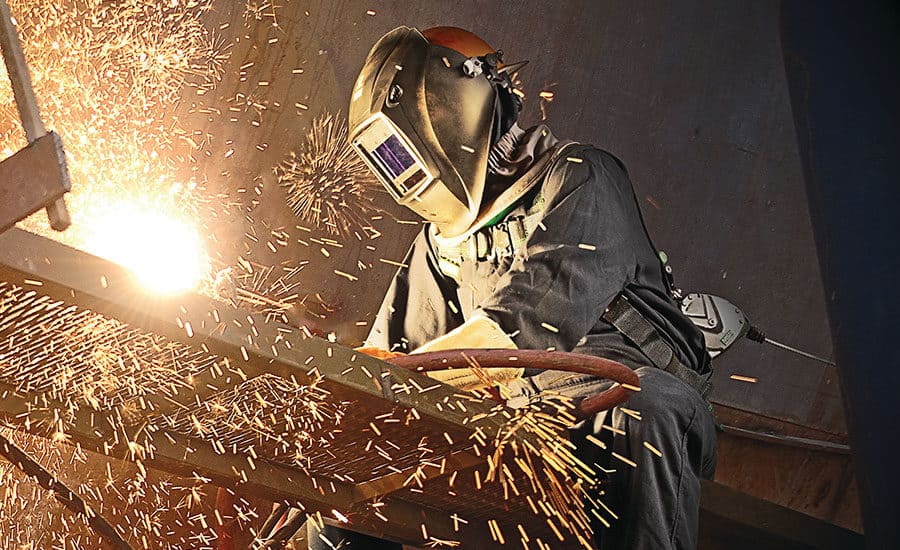
Consistency is one of the most important factors in automotive manufacturing. Every weld within a vehicle contributes to structural integrity, safety, durability, and overall product quality. In high-volume production environments, maintaining consistent weld performance across thousands of components requires tightly controlled manufacturing systems and reliable operational infrastructure.
As automotive facilities continue adopting automation and advanced fabrication technologies, the relationship between welding performance and gas delivery becomes increasingly important.
Maintaining weld consistency depends not only on skilled processes and robotic systems, but also on stable gas supply, operational visibility, and infrastructure reliability.
Why Weld Consistency Matters in Automotive Manufacturing
Automotive production environments operate at extremely high volumes with minimal tolerance for variability. Even small inconsistencies in weld quality may affect assembly precision, component strength, or long-term vehicle performance.
Manufacturers must maintain repeatable weld quality across large-scale production runs while meeting strict safety and regulatory requirements.
This level of consistency requires production systems capable of maintaining stable operating conditions throughout fabrication processes.
The Role of Shielding Gases in Weld Quality
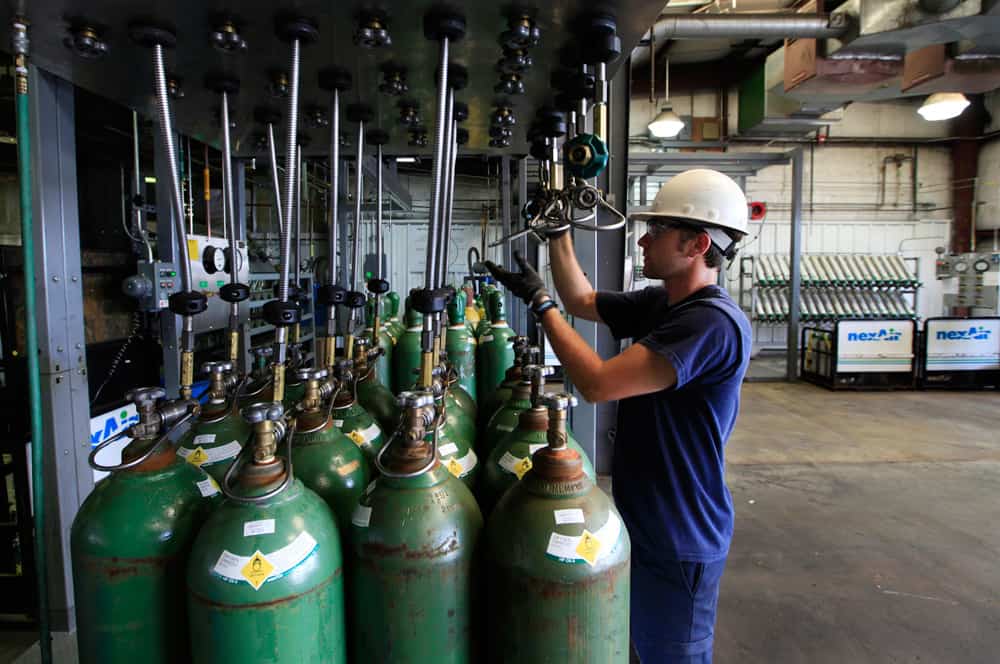
Shielding gases play a critical role in protecting weld integrity during automotive fabrication. Stable gas flow and proper gas composition help reduce contamination, improve penetration, and support consistent weld appearance and strength.
Variations in gas delivery can affect arc stability, weld penetration, and overall process consistency. In automated production environments, these variations may lead to defects, rework, or production interruptions.
Reliable gas infrastructure helps manufacturers maintain the repeatability required for high-volume automotive production.
Automation and Repeatable Welding Performance
Robotic welding systems have become standard throughout automotive manufacturing because they improve consistency and support faster production cycles.
These systems rely heavily on repeatable operating conditions to maintain quality standards. Gas flow stability, pressure consistency, and uninterrupted supply all contribute directly to robotic welding performance.
Facilities that optimize gas systems alongside automation infrastructure are better positioned to maintain efficient and reliable production environments.
Reducing Variability Across Production Lines
Operational consistency extends beyond welding equipment alone. Supply systems, maintenance practices, and process visibility all influence production performance.
Manufacturers that monitor gas usage patterns and maintain stronger visibility into supply infrastructure can identify potential issues before they affect production quality.
Solutions such as nexTrack support this operational visibility by helping facilities improve asset management and workflow coordination throughout production environments.
Supporting Productivity and Operational Efficiency
In automotive manufacturing, rework and downtime affect more than quality metrics alone. They also impact throughput, scheduling, labor utilization, and production costs.
Reliable gas systems help reduce operational disruptions while supporting consistent weld performance across high-speed production lines.
Preventative maintenance and infrastructure planning also contribute to stronger long-term operational reliability.
The nexAir Approach to Automotive Fabrication Support
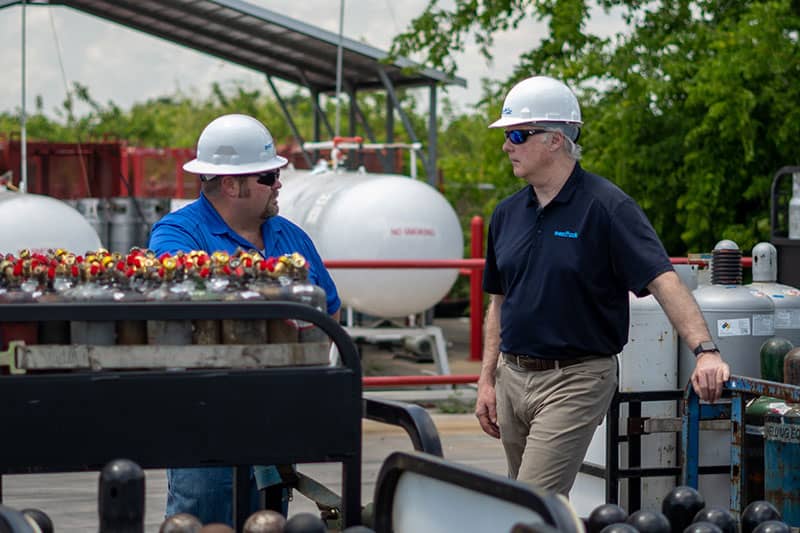
Through nexAir KnowHow, nexAir works with automotive manufacturers to support weld consistency through optimized gas delivery systems and operational expertise.
This includes evaluating welding environments, identifying infrastructure improvements, and helping facilities align gas systems with automation and production goals.
By combining reliable supply with technical support, nexAir helps manufacturers maintain the precision and consistency required in modern automotive fabrication.
This approach reflects the Forge Forward mindset, where operational reliability and continuous improvement support stronger manufacturing performance.
Strengthening Automotive Production Through Consistency
Automotive manufacturing depends on systems capable of delivering repeatable quality under demanding production conditions.
By prioritizing weld consistency, stable gas delivery, and operational visibility, manufacturers can reduce variability, improve efficiency, and strengthen overall production performance.
With the right infrastructure and expertise in place, automotive facilities can create fabrication environments designed for long-term reliability and scalability.


Don't see what you're looking for?
Everything we offer is a click away and it will arrive before you know it.