Plasma Cutting Tips for Automotive Fabrication Projects
Automotive fabrication demands cuts that look professional and fit perfectly on the first try. Unlike structural work, where slight variations disappear in the assembly process, automotive projects showcase every cut edge. Poor plasma cutting technique shows up immediately in gaps between panels, rough edges that require extensive grinding, or heat distortion that ruins expensive materials before welding even begins.
Material Preparation Makes the Difference
Clean material produces clean cuts that require minimal finishing work. Oil, paint, and rust create inconsistent cutting conditions that lead to rough edges and premature consumable wear. Taking time to clean surfaces before cutting saves hours of grinding and filing later while extending the life of expensive plasma consumables.
Proper material support prevents the vibration and movement that creates wavy cut edges. Automotive sheet metal requires different support strategies than thick plate because thin materials move easily during cutting. Using appropriate work supports and cutting speeds prevents the distortion that can ruin precision automotive components.
Cutting Speed and Technique
Finding the right cutting speed for each material thickness makes the difference between smooth edges and rough ones that need extensive cleanup. Moving too slowly creates excessive heat input that warps thin automotive materials, while cutting too fast produces rough edges with significant dross attachment that requires grinding to remove.
Starting cuts properly prevents the edge defects that show up prominently in automotive applications. Beginning cuts away from finished edges, and using proper lead-in techniques ensures that starting irregularities occur in waste material rather than on parts that need to look professional.
Hand technique becomes critical for automotive work where precision matters more than speed. Maintaining consistent standoff distance and steady travel speed produces the uniform cut quality that automotive projects require. Practice on scrap material helps develop the muscle memory needed for smooth, consistent cuts on expensive automotive steel.
Gas Selection and Settings
Using the right gas combination optimizes cut quality for automotive materials while minimizing heat input that can cause distortion. Air plasma works well for many automotive applications, but specialized gas mixtures provide better edge quality on materials like stainless steel exhaust components or aluminum body panels.
Amperage settings need careful adjustment for thin automotive materials that can burn through easily with excessive current. Starting with lower settings and gradually increasing amperage prevents the burn-through that wastes expensive materials while teaching proper technique for different material thicknesses.
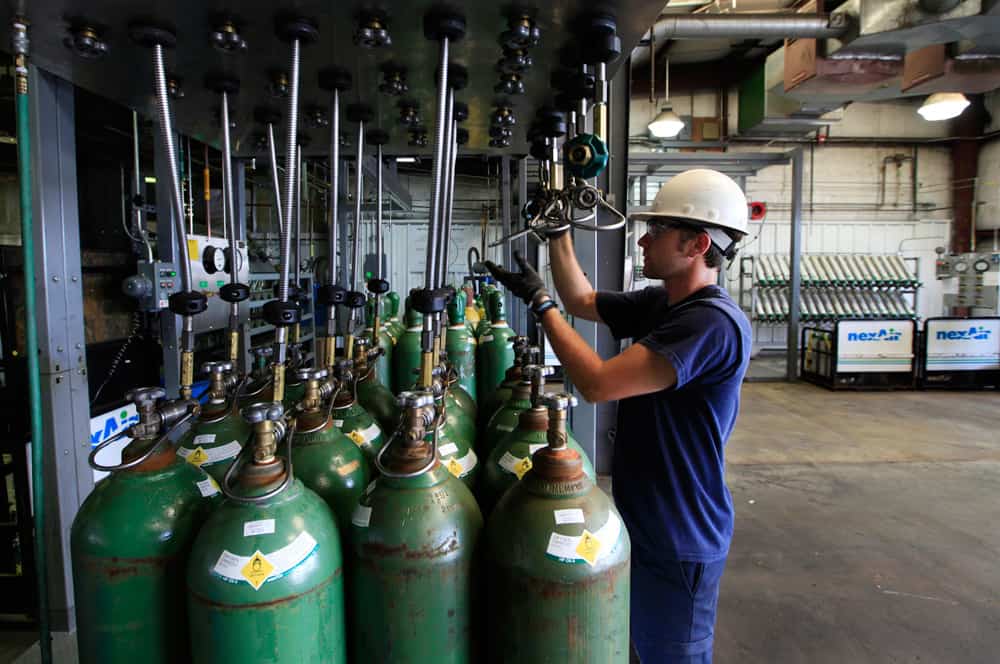
Our expert KnowHow™ includes understanding which gas combinations work best for specific automotive materials and applications. The right gas selection improves cut quality while extending consumable life and reducing operating costs.
Heat Management
Controlling heat input prevents the warping and distortion that ruins automotive sheet metal before assembly can begin. Using proper cutting techniques and allowing cooling time between cuts helps maintain dimensional accuracy on precision components where fit and finish matter.
Planning cut sequences minimizes accumulated heat in workpieces while reducing the time needed for cooling between operations. Starting with cuts that generate the most heat and finishing with precision cuts helps maintain accuracy throughout the fabrication process.
Safety and Workspace Setup
Automotive fabrication often involves cutting in confined spaces or awkward positions that require extra attention to safety procedures. Proper ventilation becomes critical when working inside vehicle bodies or other enclosed areas where fumes can accumulate rapidly.
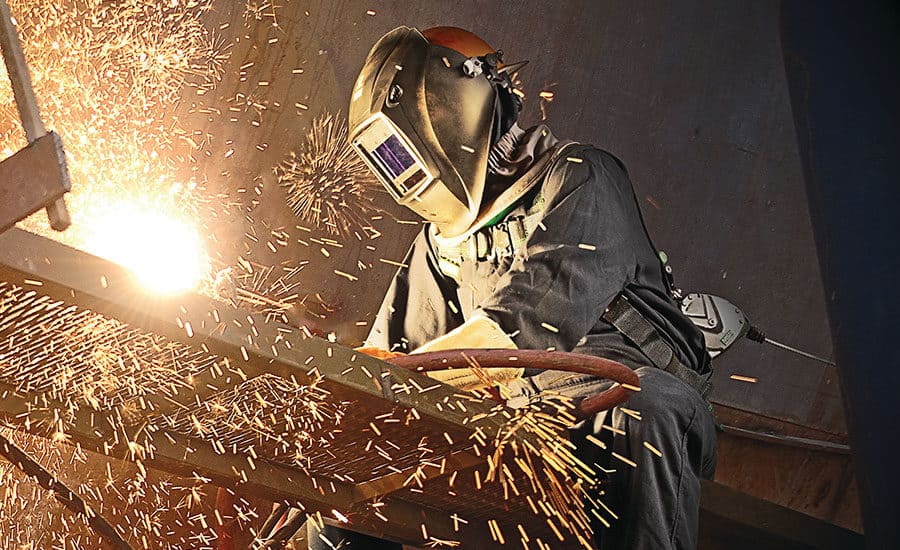
Eye protection needs special consideration for automotive work, where cuts often happen at unusual angles that can direct arc flash in unexpected directions. Using appropriate safety equipment prevents injuries while maintaining the visibility needed for precision cutting work.
Plasma cutting transforms automotive fabrication by enabling precise cuts that fit properly and look professional without extensive finishing work. The techniques that work for heavy industrial cutting need adjustment for automotive applications, where appearance and precision matter as much as speed. Ready to improve your automotive plasma cutting results? Contact nexAir today to discuss gas selection, technique refinement, and equipment optimization that can help you Forge Forward with better cutting performance on automotive projects.


Our expertise makes us more than a valuable partner, it makes us headlines

Don't see what you're looking for?
Everything we offer is a click away and it will arrive before you know it.