The Role of Welding in Commercial and Industrial Construction Projects
Welding creates the permanent connections that hold commercial and industrial structures together. Steel framing for office towers, manufacturing facilities, and warehouses all depend on welded joints to transfer loads and resist forces. The quality and efficiency of welding work directly affects both construction timelines and long-term structural performance.
Structural Framework Assembly
Steel beams and columns connect through welded joints that must carry building loads for decades. These connections transfer weight from upper floors down through the structure to the foundation. Beam-to-column welds handle both vertical loads and lateral forces from wind and seismic activity.
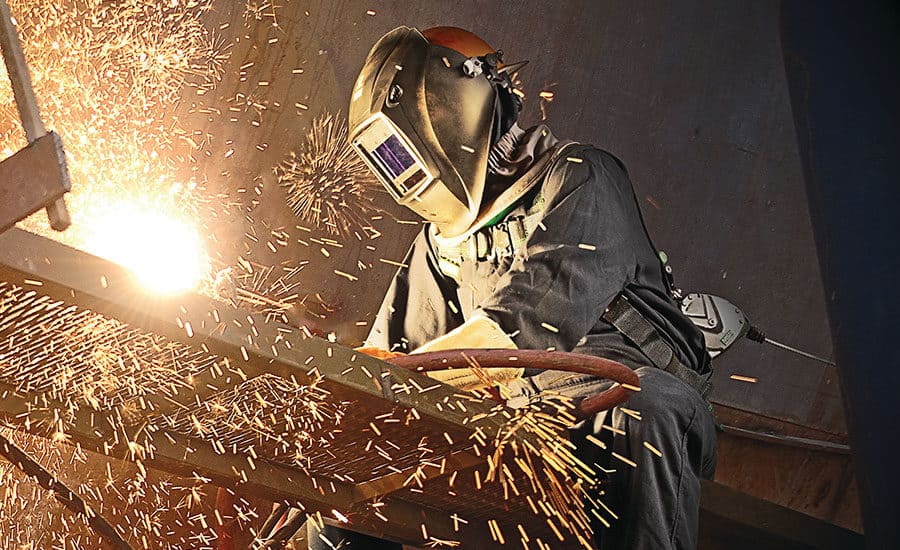
Field welding assembles prefabricated components into complete structures. Erection crews position steel members and weld them in place at heights that require proper equipment and qualified personnel. Weather conditions affect field welding schedules since rain and wind interfere with shielding gas protection and arc stability.
Fabrication Shop Production
Most structural components get welded in controlled shop environments before arriving on site. Fabrication facilities use fixtures and positioning equipment that improve weld quality and speed production. Repetitive connections like beam stiffeners and truss joints benefit from consistent shop conditions.
Quality control happens more effectively in shops where inspection access and testing equipment are readily available. Welds get examined before components ship to construction sites, which prevents field repairs on defective work. This front-loaded quality assurance reduces delays that occur when site inspectors reject field welds.
Process Selection for Efficiency
MIG welding dominates shop fabrication because continuous wire feed produces high deposition rates on repetitive joints. The process handles both thin materials and thick structural sections efficiently. Shops running multi-shift operations maximize MIG’s productivity advantages on large projects with hundreds of identical connections.
Stick welding remains essential for field erection despite slower deposition rates. Outdoor conditions and difficult access on partially completed structures require the portability and weather tolerance that stick provides. Most structural projects use both processes strategically based on location and joint requirements.
Welding Forward on Complex Projects
Industrial facilities include specialized welding beyond basic structural work. Process piping requires procedures that meet pressure vessel codes. Stainless steel and aluminum components need different techniques than carbon steel framing. These varied requirements demand welders with multiple certifications and equipment capable of different processes.
Equipment rental helps contractors scale capacity for large projects without purchasing machines that sit idle between jobs. Temporary welding capacity meets peak demands during intensive construction phases, then returns to the supplier when work slows.
Material Supply and Technical Support
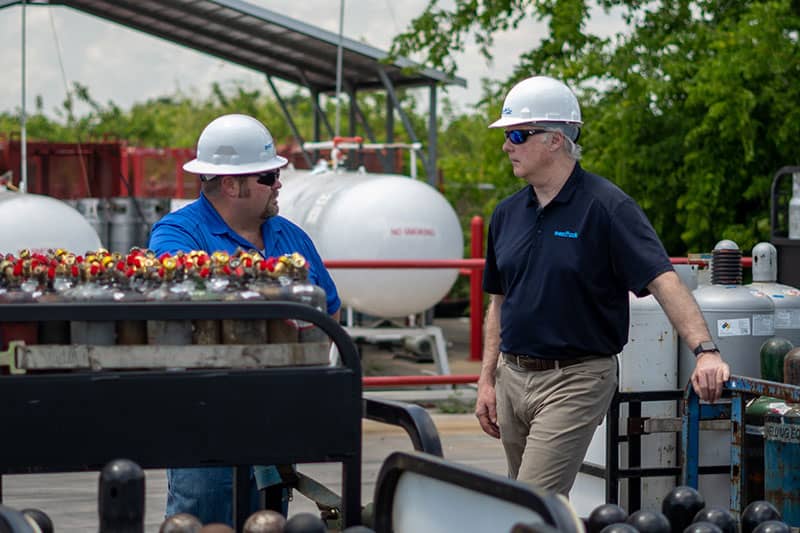
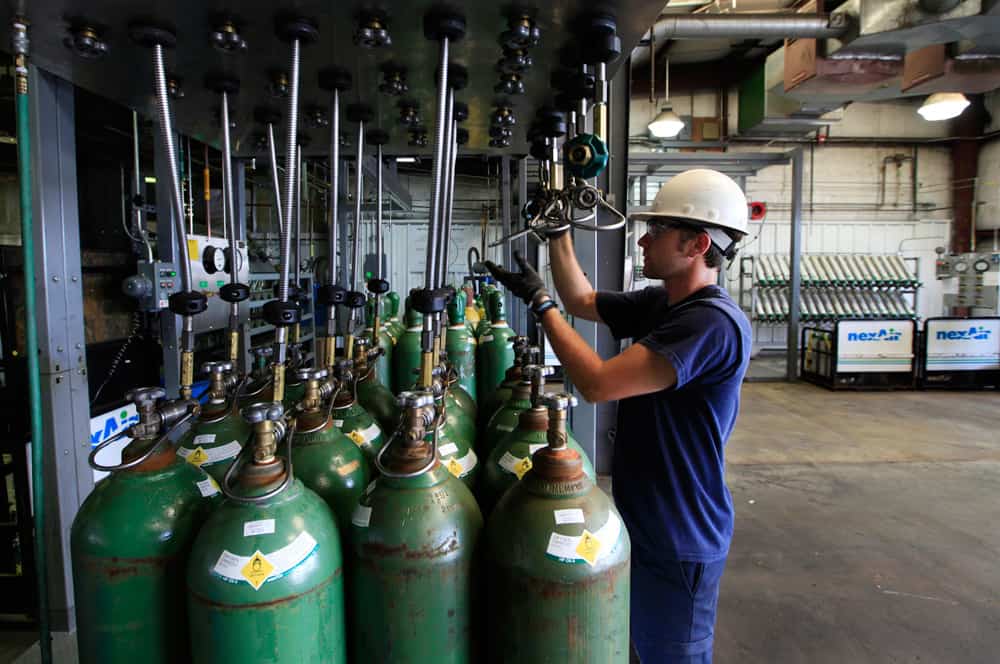
Consistent shielding gas quality prevents the porosity and contamination that cause weld rejection. Reliable supply chains maintain steady material flow that keeps welding crews productive instead of waiting for deliveries. nexAir’s KnowHow™ supports commercial and industrial welding through dependable gas supply and technical guidance on process optimization. Contact nexAir today to discuss how proper materials and expertise help construction projects Forge Forward on schedule with quality welding.
Looking out for your future
Get your career going on the right track with nexAir
Find out how nexAir KnowHow has impacted businesses all over the Southeast
Our expertise makes us more than a valuable partner, it makes us headlines

Don't see what you're looking for?
Everything we offer is a click away and it will arrive before you know it.