The Science of Gases: nexAir’s Educational Guide to Gas Purity and Safety Standards
All gases look identical in their containers, but appearances can be deceiving. The difference between industrial-grade nitrogen and ultra-pure nitrogen can mean the difference between successful operations and costly failures. Gas purity standards exist because microscopic contaminants create real-world problems that affect everything from patient safety to product quality.
Purity Levels and Application Requirements
Medical applications demand the highest purity levels because patient lives depend on gas quality. Laboratory work requires specific grades because trace contaminants skew research results and waste months of effort. Manufacturing processes need consistent quality because variations create defects that force expensive rework and delays.
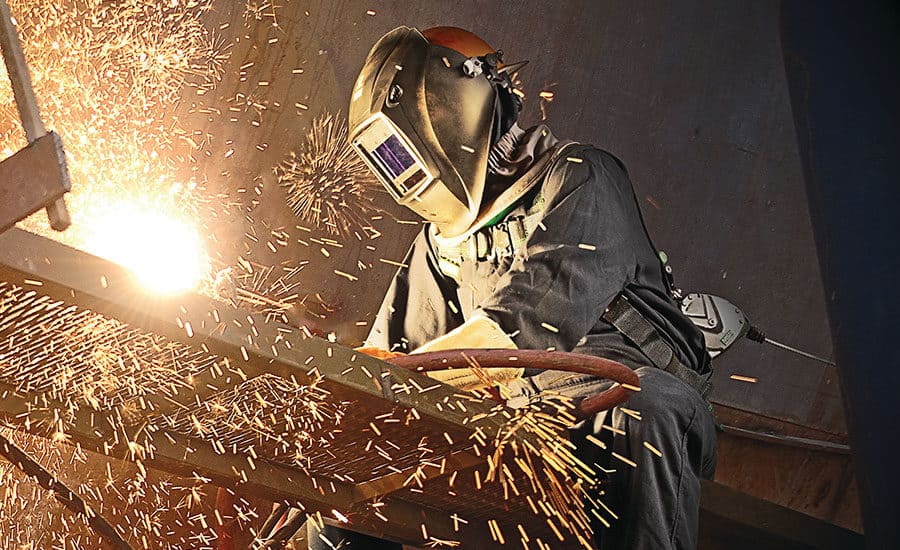
Welding applications demonstrate how purity affects results dramatically. Moisture in shielding gas creates porosity that weakens joints. Oil residue from poorly maintained compressors causes carbon deposits that compromise weld strength. These problems multiply across production runs, turning minor quality issues into major operational headaches.
Food and beverage applications require food-grade gases that meet strict safety standards. The same nitrogen used for welding applications contains contaminants that could affect taste or create health risks. Proper gas selection prevents contamination while supporting regulatory compliance that protects both consumers and business reputations.
Common Contamination Sources
Water vapor represents the most frequent contaminant in gas systems. It enters through cylinder valves, distribution lines, and storage equipment. High humidity environments worsen moisture problems, especially when equipment sits unused for extended periods. Proper storage and regular maintenance prevent most moisture-related issues.
Chemical contamination occurs through cross-contamination between different gas types, lubricant residues from equipment, and cleaning solvent vapors that linger in systems. Even equipment that appears clean may harbor contaminants detectable only through analytical testing. Dedicated equipment for different gas types prevents cross-contamination problems.
Particulate matter comes from worn equipment, inadequate filtration, and poor maintenance practices. Dust particles, metal flakes, and debris damage sensitive equipment while creating quality problems in finished products. Regular filter replacement and equipment inspections catch particulate issues before they affect operations.
Safety Standards That Protect Operations
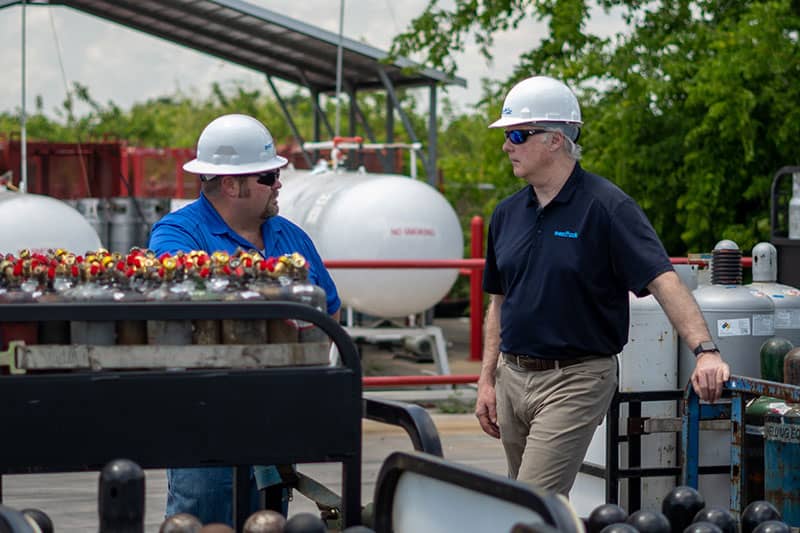
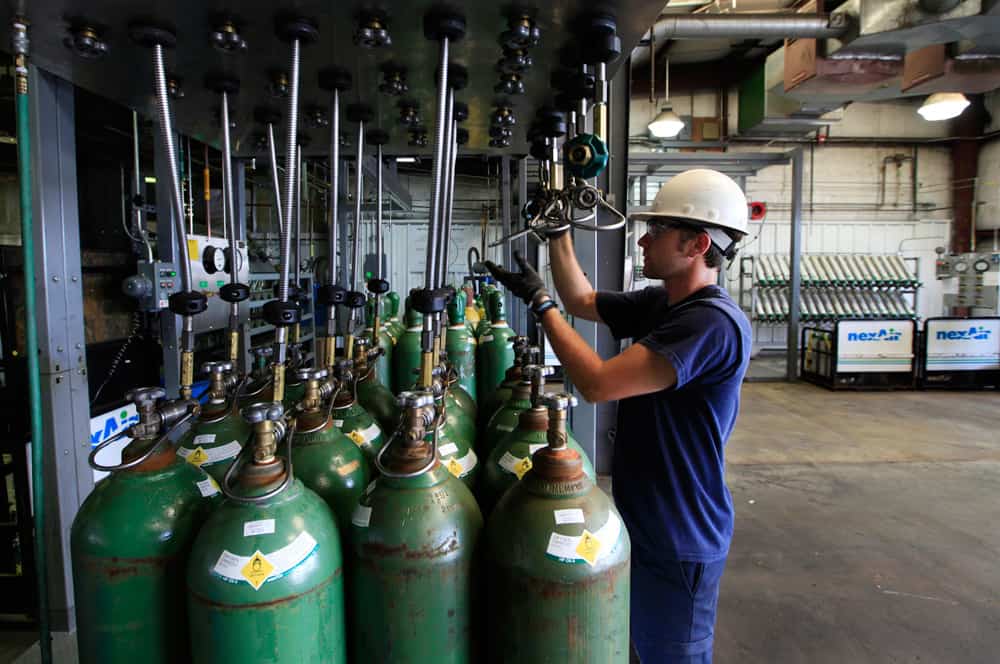
Cylinder handling procedures start with proper training because high-pressure containers become dangerous when mishandled. Valve protection caps must remain in place during transport and storage. Proper lifting techniques prevent injuries while protecting cylinders from damage that could create safety hazards.
Storage areas require adequate ventilation, especially for gases that displace oxygen or create toxic atmospheres. Separation requirements prevent dangerous reactions if leaks occur between incompatible gases. Temperature controls maintain safe pressure levels while preventing equipment damage from thermal cycling.
Emergency procedures help personnel respond appropriately during gas-related incidents. Workers need training on shutoff procedures, evacuation protocols, and emergency contact information. Regular safety drills ensure people remember procedures when actual emergencies occur. nexAir’s KnowHow™ covers safety training that addresses specific hazards associated with different gas types. This education helps prevent accidents while ensuring regulatory compliance that protects both workers and facilities.
Forge Forward with Effective Gas Management
Gas purity and safety standards protect operations while ensuring consistent results. Proper selection, handling, and quality control measures prevent problems that could affect safety, quality, and profitability.
Contact nexAir when you need guidance about gas purity requirements or safety standards. We’ll help develop quality management approaches that meet your technical needs while supporting operational success.
Looking out for your future
Get your career going on the right track with nexAir
Find out how nexAir KnowHow has impacted businesses all over the Southeast
Our expertise makes us more than a valuable partner, it makes us headlines

Don't see what you're looking for?
Everything we offer is a click away and it will arrive before you know it.