Welding Efficiency: Reducing Rework Through Proper Gas Use
Rework is one of the most expensive things that can happen on a weld line, and a surprising amount of it traces back to gas. The wrong blend, an incorrect flow rate, or a delivery system that’s lost integrity can push defect rates up without any obvious sign of what’s causing it. Getting gas selection and setup right is one of the fastest ways to bring rework down without changing anything else in the process.
What Shielding Gas Does to Weld Quality
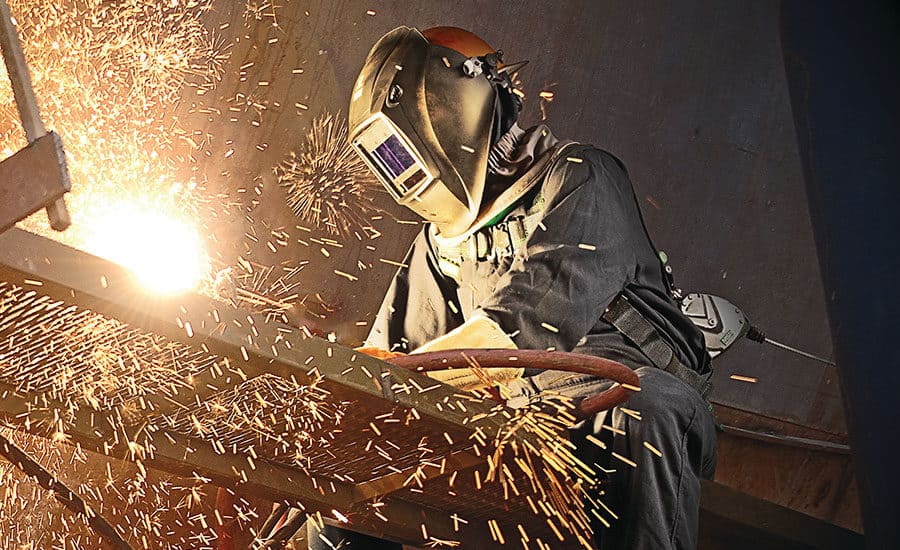
Shielding gas protects the weld pool from the atmosphere while the metal is molten. When that protection breaks down, oxygen and nitrogen react with the hot pool and produce porosity — gas pockets trapped in the solidifying weld that weaken the joint and require grinding out and re-welding. Beyond protection, shielding gas also shapes arc behavior, influences heat distribution across the joint, and determines bead profile and penetration depth. What runs through the line has a direct effect on what comes out the other end.
Matching Gas to Material
Choosing the wrong gas for the base material is one of the most common sources of preventable defects. Pure CO2 is inexpensive and provides deep penetration, but it produces a turbulent arc with significantly more spatter than argon blends. That spatter means more post-weld cleanup and a higher chance of fusion issues on thinner material. Pure argon on carbon steel produces a cold, narrow arc that tends to pile up on top of the joint rather than penetrating it, leaving an underfused weld that won’t pass inspection.
The 75/25 argon/CO2 blend is the standard for mild steel MIG welding because it balances arc stability with penetration and spatter control. Stainless steel typically requires a helium-containing tri-mix to reach the right heat input without compromising corrosion resistance. Aluminum needs pure argon to maintain the clean arc that TIG requires. When the gas doesn’t match the material, the weld reflects it.
Flow Rate Is Just as Important
Gas selection gets most of the attention, but flow rate problems cause just as many defects. Too little flow leaves the weld pool inadequately shielded, which lets atmospheric contamination in and produces porosity throughout the bead. Too much flow creates turbulence at the nozzle that draws in surrounding air rather than blocking it, producing the same result through a different mechanism.
Drafts compound these problems quickly. A flow rate that works well in an enclosed shop can produce porosity on any job with ambient airflow moving through the space. Welding screens and flow settings calibrated to the actual environment matter more than most operations account for until defect rates start climbing.
Keeping the Delivery System Honest
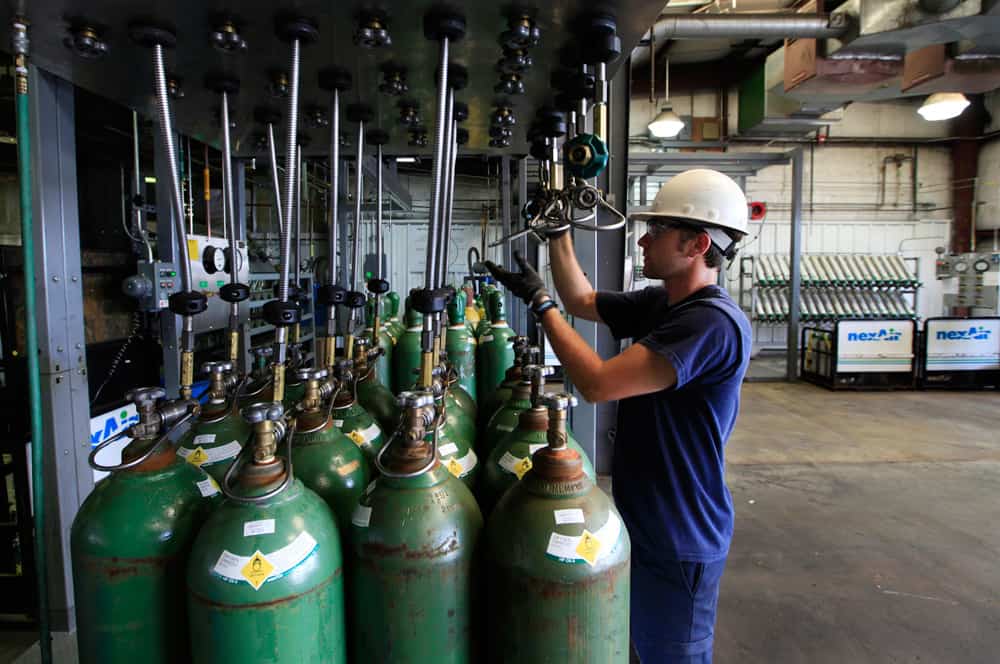
Even with the right gas and flow rate, a compromised delivery system will undermine the weld. Worn hoses reduce effective pressure at the gun, and spatter buildup inside the nozzle restricts flow and creates turbulence without any visible warning until porosity shows up in the bead. A nozzle that’s too small for the application has the same effect from the start.
Regular inspection of regulators, hoses, and gun components catches these issues before they generate scrap. Checking for leaks and keeping nozzles clean takes a fraction of the time that grinding out a defective bead and re-welding does. The delivery system deserves the same attention as the gas running through it.
Building a Setup That Holds
Most rework problems are easier to prevent than diagnose after the fact. The gas blend, flow rate, and delivery system condition all need to work together consistently across shifts. Through nexAir KnowHow™, our team helps welding operations build gas setups that are matched to the work from the start, so the variables that drive rework stop being variables.
Talk to your local nexAir branch about your current setup and let’s help you Forge Forward with less rework and more productive arc time.
Looking out for your future
Get your career going on the right track with nexAir
Find out how nexAir KnowHow has impacted businesses all over the Southeast
Our expertise makes us more than a valuable partner, it makes us headlines

Don't see what you're looking for?
Everything we offer is a click away and it will arrive before you know it.