Why Preventative Maintenance Matters for Industrial Gas Systems
Industrial gas systems fail at inconvenient times. A regulator sticks during a production run. A cylinder valve develops a slow leak over the weekend. Contamination builds up in piping until it affects gas purity at the point of use. These failures stop production, create safety hazards, and often damage products already in process. Preventative maintenance catches problems before they cause expensive disruptions.
Small Issues Become Major Failures Without Intervention
Gas delivery components wear gradually through normal use. O-rings harden and crack. Regulator diaphragms develop tiny tears. Piping connections loosen from thermal cycling. These degradations start small and progress slowly until something fails completely. A regulator that’s been drifting slightly out of specification for weeks might suddenly stick wide open, flooding equipment with excessive pressure that damages downstream components or ruins work in progress.
Leak development follows similar patterns. A fitting that seeps a few cubic feet per day wastes gas and costs money, but it probably won’t stop production immediately. Left unaddressed, the leak grows as threads corrode or gaskets compress further. Eventually it becomes large enough to affect process pressure or create a safety hazard from gas accumulation. Early detection during routine inspections costs far less than emergency repairs or the injuries that can result from ignoring small leaks.
Contamination accumulates invisibly in gas systems. Moisture condenses in piping, particulates collect at restrictions, and oils from compressors migrate downstream. Working with gas suppliers like nexAir who provide the KnowHow™ to identify potential contamination issues helps facilities address problems before they affect product quality. This contamination might not cause immediate problems, but over time it degrades gas purity enough to affect welding quality or damage sensitive equipment.
Scheduled Maintenance Costs Less Than Emergency Repairs
Planned maintenance happens during scheduled downtime when production isn’t affected and parts are available at normal prices. A technician can methodically inspect, clean, and replace worn components following a checklist without time pressure. The facility orders parts in advance and schedules the work when it’s least disruptive.
Emergency repairs happen when something breaks during production. The line stops, workers wait idle, and customers face delayed deliveries. Getting the system running again becomes urgent, which often means paying premium rates for expedited parts shipping and after-hours technician calls. The rushed repair may not be as thorough as planned maintenance would have been, which increases the likelihood of another failure soon after.
The cost comparison isn’t subtle. Regular regulator rebuilds might cost a few hundred dollars during scheduled maintenance. An emergency regulator failure that stops production for four hours costs that amount in lost production time alone, before accounting for the repair itself or any damaged product. Bulk tank systems with telemetry monitoring can alert suppliers to potential issues before they cause supply interruptions, but the piping, regulators, and point-of-use equipment still need human inspection on regular schedules.
Safety Improves With Systematic Inspection
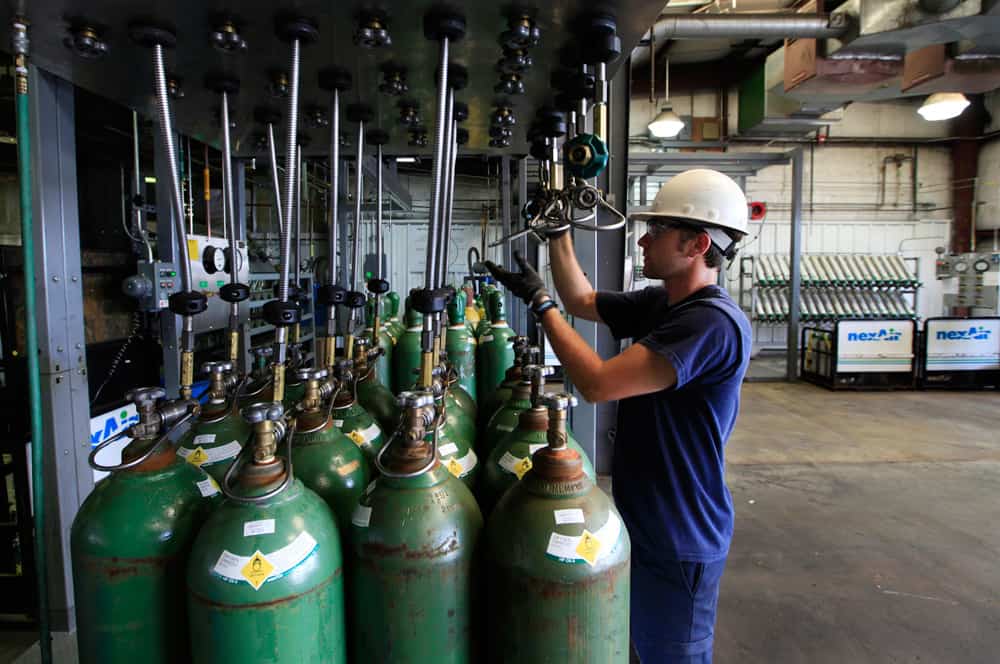
Gas systems present multiple hazards that worsen when maintenance is neglected. High-pressure cylinders with corroded valves become more dangerous to handle. Leaking gas creates fire risks or asphyxiation hazards depending on the gas type. Contaminated systems can release unexpected substances when pressurized. Regular inspection identifies these safety concerns before incidents occur.
Documentation from maintenance activities also supports safety and compliance. Inspection records show when systems were last checked, what issues were found, and how they were addressed. This documentation protects facilities during safety audits and provides data to identify recurring problems that might indicate design issues needing correction. Insurance carriers and regulatory agencies both look favorably on documented preventative maintenance programs, helping operations Forge Forward with gas systems that support production.
Looking out for your future
Get your career going on the right track with nexAir
Find out how nexAir KnowHow has impacted businesses all over the Southeast
Our expertise makes us more than a valuable partner, it makes us headlines

Don't see what you're looking for?
Everything we offer is a click away and it will arrive before you know it.