Welding Automation and the Future of Manufacturing Productivity
Manufacturing is evolving rapidly, and welding operations are at the center of that transformation. As production demands increase and skilled labor becomes harder to find, businesses are turning to automation to maintain efficiency and stay competitive.
Welding automation is no longer limited to large-scale manufacturers. Advances in technology and accessibility have made it a practical solution for operations of all sizes, enabling businesses to improve productivity while maintaining consistent quality.
Understanding Welding Automation in Modern Operations
Welding automation refers to the use of robotic systems, programmable equipment, and integrated technologies to perform welding tasks with precision and consistency. These systems can be configured for a wide range of processes, including MIG, TIG, plasma, and laser welding.
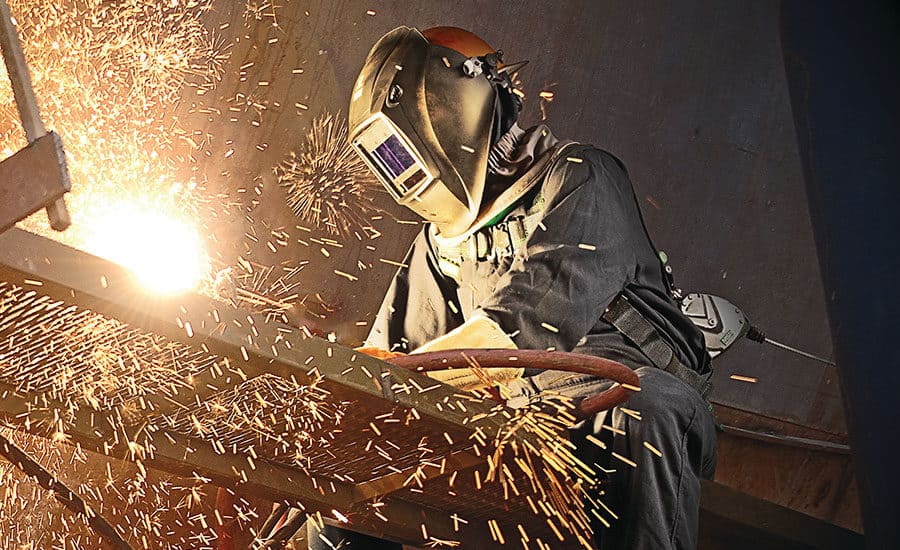
Unlike manual welding, automation removes variability caused by fatigue, skill differences, and environmental factors. Each weld is performed according to predefined parameters, ensuring repeatability across production runs.
Addressing the Skilled Labor Challenge
One of the most significant drivers of automation adoption is the shortage of skilled welders. The manufacturing industry continues to face a gap between experienced workers retiring and new talent entering the workforce.
Automation provides a way to bridge this gap. Instead of replacing skilled workers, it enhances their capabilities. Experienced welders can oversee automated systems, manage quality, and focus on more complex tasks while automation handles repetitive work.
This shift allows businesses to maintain output without relying solely on manual labor.
Improving Productivity and Throughput
Automation transforms productivity by enabling continuous operation and reducing cycle times. Robotic systems can operate with consistent speed and accuracy, allowing manufacturers to increase output without compromising quality.
These systems also reduce the need for rework. Consistent weld quality means fewer defects and less material waste, which contributes to both cost savings and operational efficiency.
Over time, these improvements create a more predictable and scalable production environment.
Enhancing Quality and Consistency
Quality is a critical factor in welding operations, particularly in industries where precision is essential. Automated systems maintain consistent parameters, ensuring that each weld meets the same standards.
This level of control is difficult to achieve with manual processes alone. By reducing variability, automation helps manufacturers meet strict quality requirements and improve overall product reliability.
The Role of Gas Systems in Automation
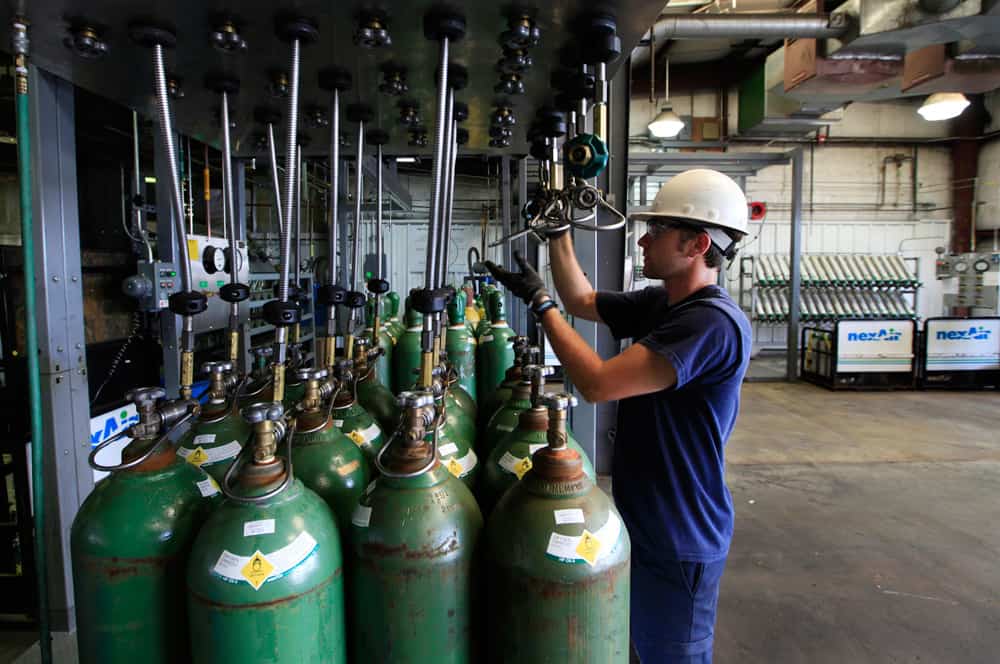
Automation places new demands on gas delivery systems. Higher duty cycles and faster production speeds require consistent flow rates and stable pressure.
nexAir addresses this need with specialized gas delivery systems designed for automated environments. These systems maintain precise flow rates and integrate with automated equipment to support consistent performance.
This integration ensures that gas supply does not become a limiting factor in automated operations.
The nexAir Approach to Automation
Through nexAir KnowHow, businesses gain access to expertise that goes beyond equipment. nexAir works closely with customers to evaluate their processes, determine whether automation is the right fit, and implement solutions that align with their goals.
This includes system design, installation, training, and ongoing support. By taking a comprehensive approach, nexAir ensures that automation delivers real value rather than adding complexity.
This reflects the Forge Forward mindset, where technology is used strategically to improve performance and prepare for future growth.
Building a More Competitive Operation
Welding automation is not just about adopting new technology. It is about creating a more efficient, reliable, and scalable operation.
By integrating automation into their processes, manufacturers can improve productivity, enhance quality, and respond more effectively to changing demands. With the right partner and the right strategy, automation becomes a key driver of long-term success.


Don't see what you're looking for?
Everything we offer is a click away and it will arrive before you know it.