Medical Gas Expertise That Supports Patient Care
Most patients will never think about the medical gases used during their care.
They won’t see the supply system behind the wall. They probably won’t know where the oxygen came from or how a specialty mixture reached a laboratory instrument.
They shouldn’t have to.
Medical gas infrastructure is designed to work behind the scenes so healthcare professionals have access to the products they need when they need them.
Creating that kind of reliability requires more than delivering cylinders.
It requires understanding medical gases, healthcare applications, supply systems, specialty mixtures, equipment, maintenance, and the requirements surrounding products used in clinical environments.
That is where medical gas expertise becomes important.
Healthcare Gases Are Not Ordinary Industrial Products
Medical gases are used in environments where quality and consistency matter tremendously.
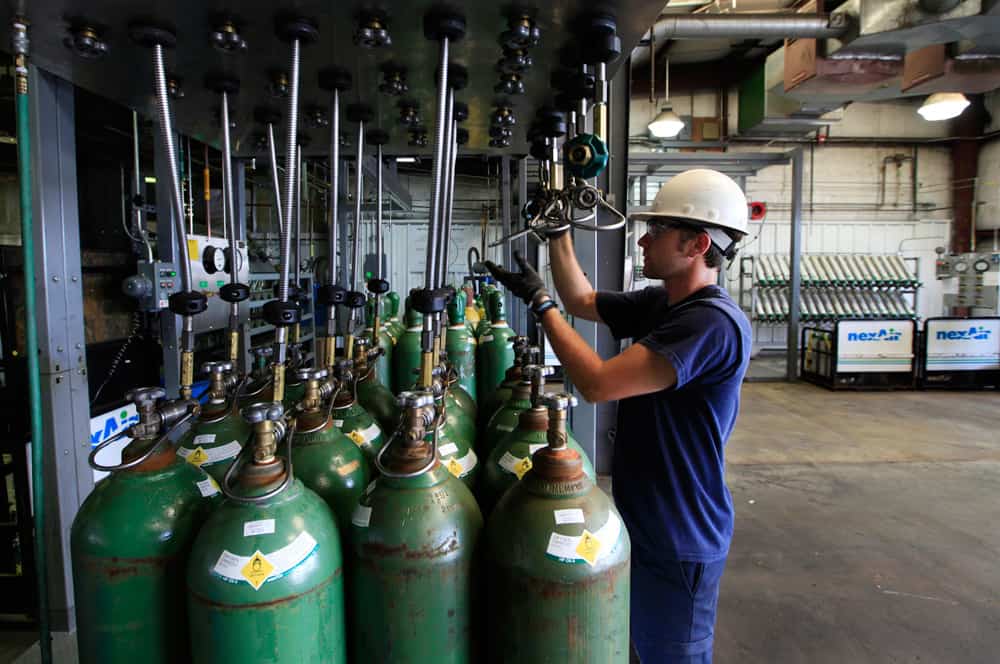
nexAir produces medical gases at FDA-compliant fill plants for hospitals, surgery centers, hyperbaric wound treatment centers, dental offices, and home healthcare applications.
Those gases may support patient care directly or be used as part of clinical procedures and healthcare operations.
The requirements surrounding medical gases are one reason healthcare organizations benefit from working with suppliers that understand the industry.
Supplying a hospital is not the same as supplying a fabrication shop.
The products, documentation, infrastructure, and customer requirements are different.
Understanding the Application Comes First
Medical gas expertise begins with understanding how the product will be used.
A hospital may need bulk medical gas supply for high-volume applications while also using cylinders throughout individual departments.
A surgery center may have different consumption patterns.
Laboratories and diagnostic operations may require high-purity or specialty gases rather than the gases used in patient rooms.
nexAir’s healthcare capabilities include bulk supply, cylinders, portable oxygen and nitrogen systems, specialty gases, installation, maintenance, and monitoring.
The right solution depends on the application.
That is the basic idea behind nexAir KnowHow: understand the customer’s operation before recommending the solution.
Medical Oxygen Is Only Part of the Picture
Medical oxygen may be the gas most people associate with healthcare, but medical gas requirements extend much further.
Healthcare organizations can use nitrogen, nitrous oxide, anesthetic and respiratory mixtures, analytical gases, calibration products, and other specialty mixtures depending on the facility.
Laboratories introduce another range of applications.
Testing, diagnostics, research, and instrument calibration may require gases with very specific purity or composition requirements.
Understanding those differences helps healthcare organizations avoid treating every gas application the same way.
Specialty Gas Expertise Supports Diagnostics and Laboratories
Modern healthcare depends heavily on accurate testing.
Laboratories and diagnostic systems generate information clinicians use to make decisions about patient care.
Some of those systems depend on specialty gases for operation or calibration.
nexAir supports healthcare applications with high-purity gases, calibration mixtures, anesthetic and respiratory mixtures, and analytical gases.
Its Specialty Gas Laboratories in Memphis and Atlanta hold ISO/IEC 17025:2017 accreditation and can produce precision mixtures for applications where composition and consistency matter.
Medical gas expertise therefore extends beyond bedside care.
It also supports the systems healthcare professionals use to understand what is happening with the patient.
Supply Expertise Helps Match Capacity to Demand
Knowing which gas a facility needs is only part of the job.
The next question is how much it needs and how that product should be supplied.
A smaller application may be well served by cylinders. Higher-volume healthcare environments may require bulk supply. Portable systems may support applications requiring greater mobility.
Facility size, consumption, storage, reserve requirements, and future growth all influence that decision.
An experienced gas partner can help healthcare organizations evaluate those variables and choose a supply approach that fits actual demand.
That becomes particularly important when facilities expand.
Installation Is Only the Beginning
Healthcare gas infrastructure needs support throughout its operating life.
Installation is the starting point.
Monitoring helps facility teams understand supply conditions. Maintenance helps keep equipment performing properly. Changes in patient volume or clinical services may eventually require system adjustments.
nexAir provides installation, maintenance, and monitoring as part of its healthcare gas capabilities.
That ongoing relationship gives healthcare facilities access to people who understand the systems supporting their gas supply.
Expertise Helps During Renovations and Expansions
Healthcare facilities rarely stay the same.
A renovation may change where gases are needed. A new clinical service can introduce a different product. Additional patient rooms may increase demand on existing infrastructure.
Medical gas expertise is valuable during these projects because gas requirements can be evaluated alongside the larger facility plan.
Capacity, supply, storage, distribution, specialty-gas requirements, maintenance access, and future growth should all be part of the conversation.
Addressing those questions early is easier than trying to solve them after construction is complete.
Good Gas Management Supports Healthcare Teams
Healthcare professionals already have enough to manage.
Medical gas supply should not create unnecessary administrative work for clinical or facility teams.
Reliable delivery, clear supply planning, monitoring, and better cylinder visibility can help make gas management easier.
nexTrack can help healthcare customers improve visibility into cylinder assets and usage, particularly across larger facilities or multiple departments.
The less time employees spend tracking down basic supply information, the more efficiently the facility can operate.
Local Knowledge Still Matters
Healthcare systems may be large organizations, but many operational challenges are local.
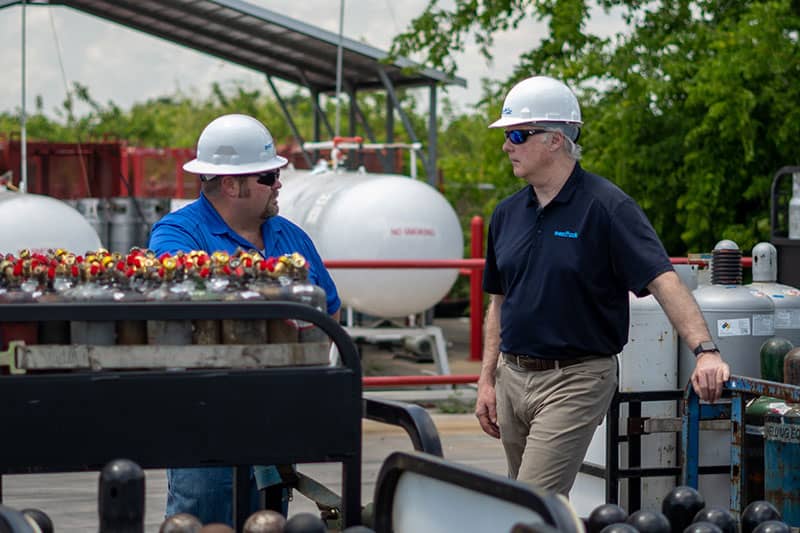
A hospital needs deliveries to its facility. A surgery center needs responsive support in its community. A facility manager needs someone who understands the site’s specific gas systems and usage.
nexAir’s presence throughout the Southeast combines broader medical gas capabilities with regional and local support.
That balance matters.
Healthcare organizations need the capabilities of an experienced medical gas supplier and the responsiveness of people who understand the local operation.
How nexAir Helps
nexAir provides medical gases and gas solutions for hospitals, surgery centers, hyperbaric wound treatment centers, dental offices, home healthcare, laboratories, and other healthcare applications.
Medical gases are produced at FDA-compliant fill plants. Specialty healthcare applications are supported by ISO/IEC 17025:2017-accredited laboratories and experienced gas professionals.
nexAir’s healthcare capabilities also include bulk supply, cylinders, portable oxygen and nitrogen systems, installation, maintenance, monitoring, specialty gases, and cylinder visibility through nexTrack.
Through nexAir KnowHow, those capabilities are brought together around the needs of the customer.
Helping Customers Forge Forward
nexAir customers Forge Forward with medical gas expertise that helps healthcare facilities build reliable supply systems around the work their clinical teams perform every day.
The gases may operate behind the scenes, but the expertise supporting them matters.
Expertise Supports the People Providing Care
Medical gas expertise isn’t a substitute for clinical expertise.
Its job is to support it.
When medical gases are properly supplied, infrastructure is appropriately planned, systems are maintained, and specialty products meet the requirements of the application, healthcare professionals can focus on their own responsibility: caring for patients.
That’s what good medical gas support should accomplish.


Don't see what you're looking for?
Everything we offer is a click away and it will arrive before you know it.