Why Process Knowledge Matters in Industrial Gas Selection
Getting gas selection right comes down to one thing: understanding what’s actually happening inside the process, not just what the process is called. The right gas for a MIG welding application in a climate-controlled facility isn’t automatically the right gas for the same application in a shop dealing with humidity swings and aging equipment. The application name is the starting point. The process details are where the selection gets made.
What the Process Actually Tells You
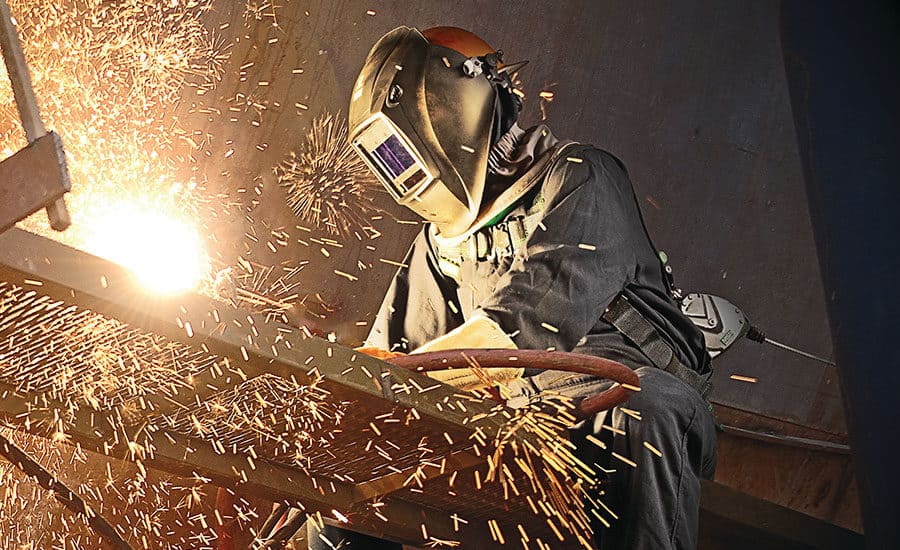
Every industrial process puts a specific set of demands on the gases supporting it. In welding, joint configuration, base metal thickness, travel speed, and position all influence which shielding gas delivers the best arc stability and mechanical properties in the finished weld. In pharmaceutical manufacturing, purity tolerances are tight enough that small deviations compromise entire batches. In food packaging, the gas atmosphere inside a sealed container directly determines shelf life and product integrity.
These aren’t variables that show up in a product description. They come from knowing how a process behaves under real operating conditions and what the gas needs to do within that specific environment. A selection made without that context is really just an educated guess and in precision applications, educated guesses have a way of showing up as quality problems down the line.
Where Experience Changes the Outcome
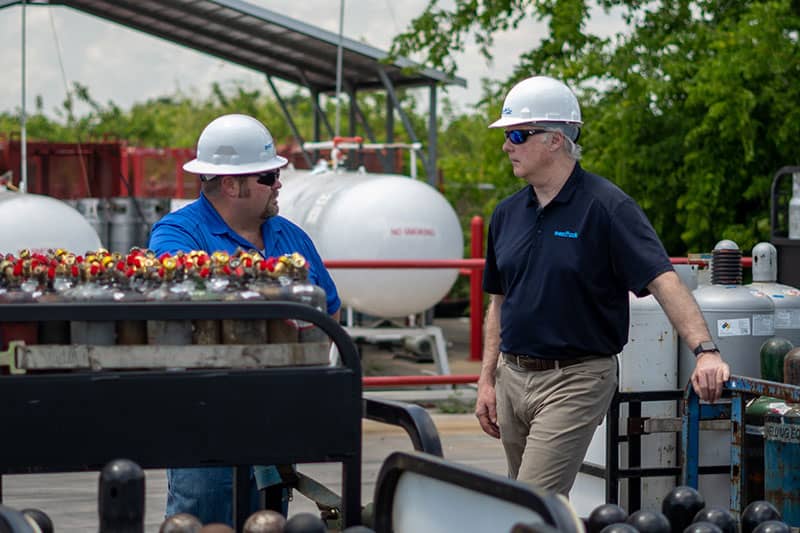
An experienced gas specialist approaches selection as a diagnostic conversation. They want to know what materials are being processed, what quality standards the output has to meet, how the equipment is configured, and where previous selections have created friction. That context shapes a recommendation that fits the application rather than one that approximates it.
Our expert KnowHow™ is built from decades of working across industries and applications, and that depth of field experience is what makes the difference between a gas selection that holds up over time and one that requires constant adjustment to keep performing. It also means being honest when a requested setup isn’t the best approach for the process at hand. That kind of candid input is only possible when the person making the recommendation understands the process well enough to have a real opinion about it.
Selection Is a Systems Question
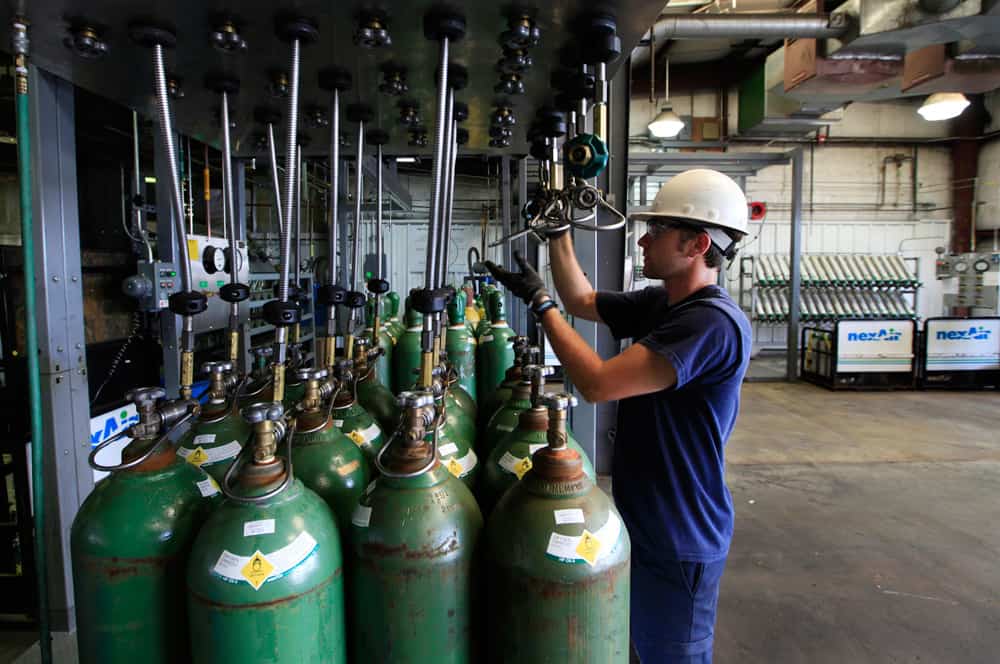
The gas has to work within the delivery infrastructure at the pressures and flow rates the equipment requires. A selection that’s right for the application but mismatched to the delivery setup introduces variability that surfaces as a process problem rather than a supply problem. That distinction matters because process problems are significantly harder and more expensive to track down than supply ones. Thinking about gas selection as part of the larger system, rather than as a standalone product decision, is what leads to a setup that performs consistently from day one and keeps performing as the operation grows and changes over time.
Getting these details right from the start also reduces the back and forth that comes with working through a series of adjustments after the fact. The time spent upfront understanding the process pays off quickly and the operation gets a supply program that was built for how it actually runs rather than one that gets refined through trial and error over the first several months.
Reach out to us to Forge Forward with a gas selection process built on genuine process knowledge and a supply program designed around your operation.


Don't see what you're looking for?
Everything we offer is a click away and it will arrive before you know it.